Ratchets and pawls
Ratchet wheels, pawls, clicks and catches from Brown's 1868 book: feeds, counters, jacks, Colt's revolver and Otis's hoist stop, simulated by contact.
A pawl drops into the teeth of a ratchet wheel or bar so that motion can pass only one way. Brown also calls it a click, catch or dog. The same pair of parts can hold a load, step a wheel forward a tooth at a time, or turn a rocking lever into continuous rotation.
Brown's index lists eleven “Ratchets and pawls” entries: Nos. 49, 75, 76, 78, 79, 80, 82, 206, 225, 236 and 271. This hub adds other movements whose text describes a pawl working a ratchet, including:
- feed motions for planing and sawing machines (Nos. 121, 155, 284);
- Colt's revolver cylinder (No. 277);
- Otis's safety stop for a hoist (No. 278);
- a lifting jack (No. 389);
- the rag wheel (No. 237);
- two-pawl movements that keep a wheel turning while a lever rocks both ways (for example Nos. 77, 82, 390 and 415).
In the models the pawls and teeth are separate solid parts, and motion passes between them only by contact. Depending on the entry, the pawl is held to the teeth by a spring or by its own weight; see each page. Most models have a single driven input. No. 82, worked by two feet, has two.
The 28 working models
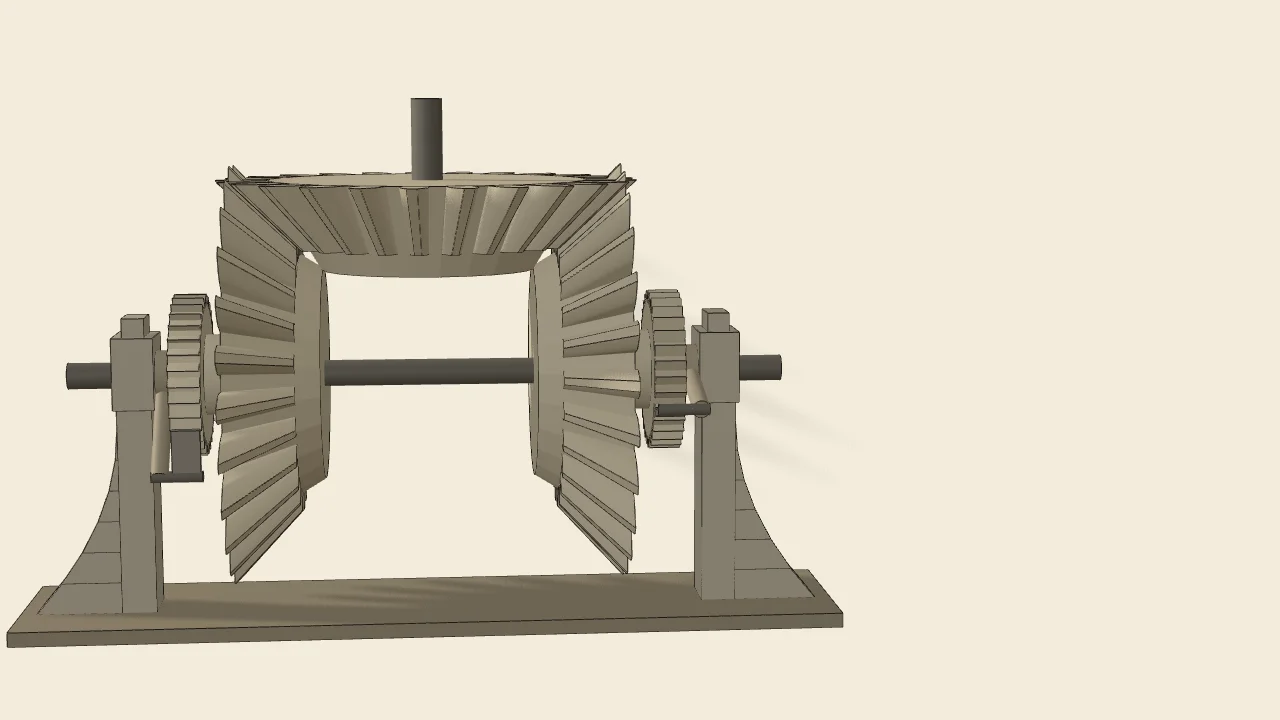 49. Rocking shaft to continuous rotation with ratchets and bevels
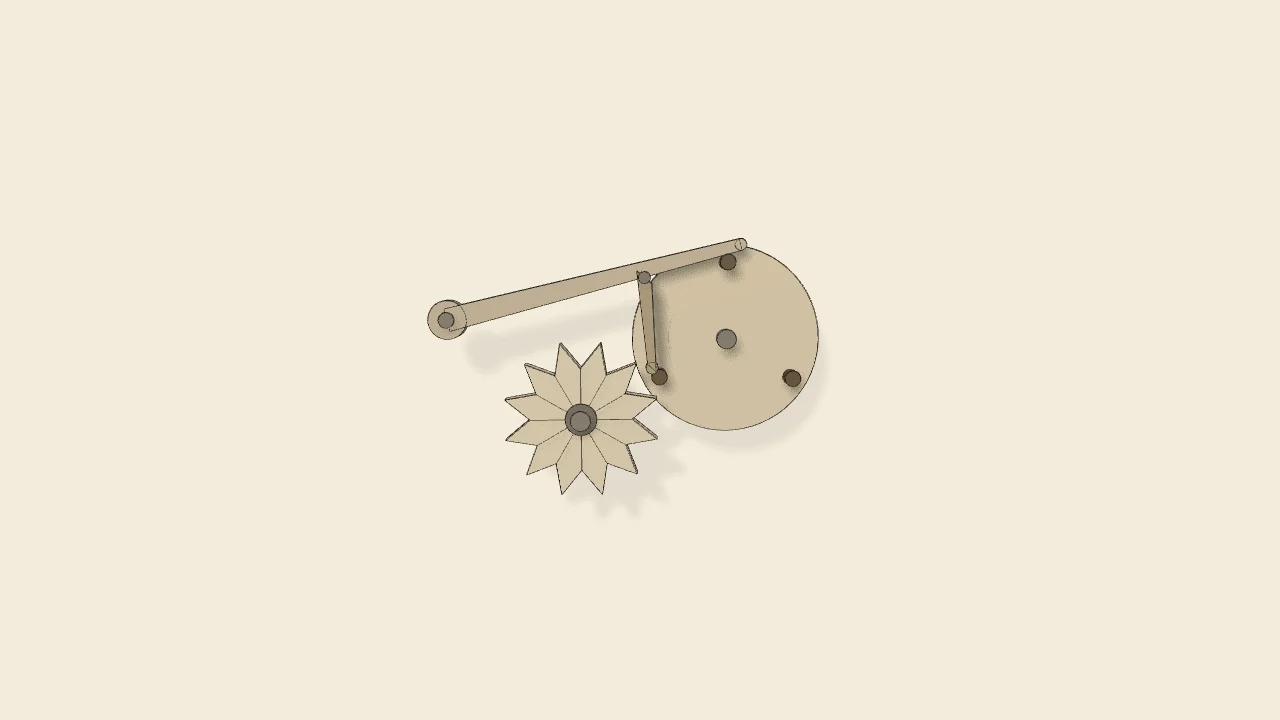 63. Jumping motion for counters
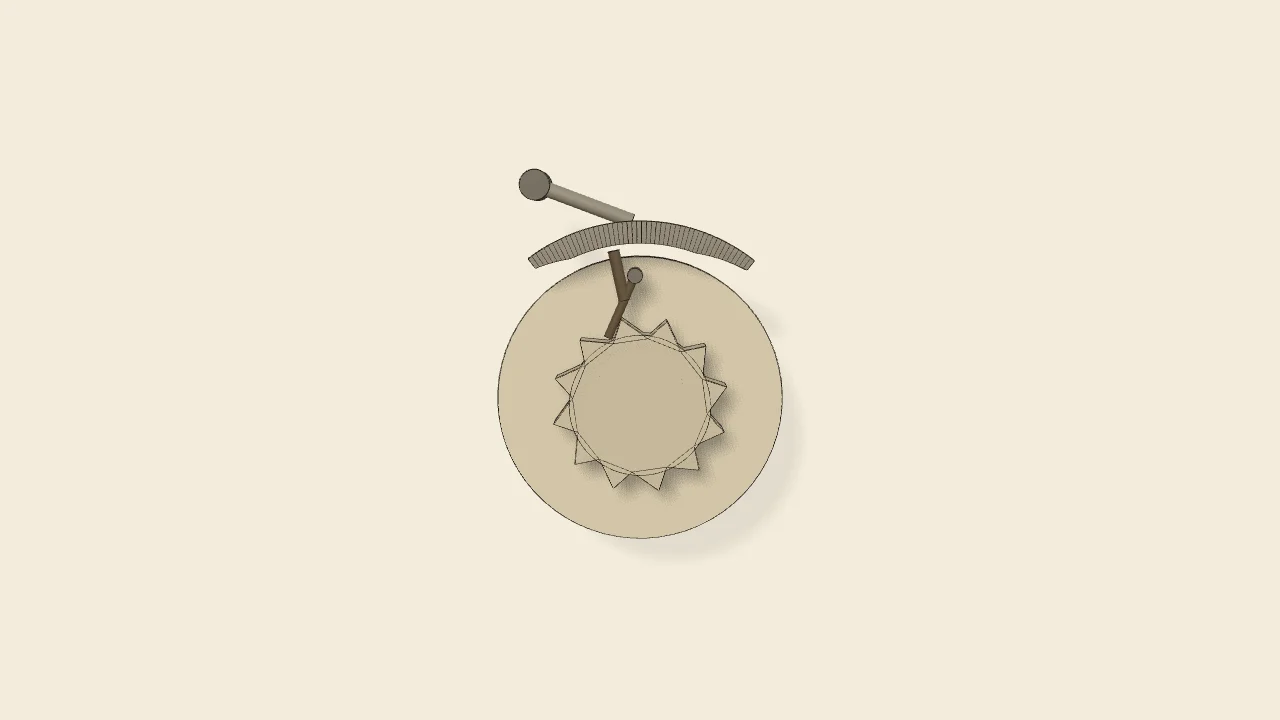 73. Spring catch ratchet drive
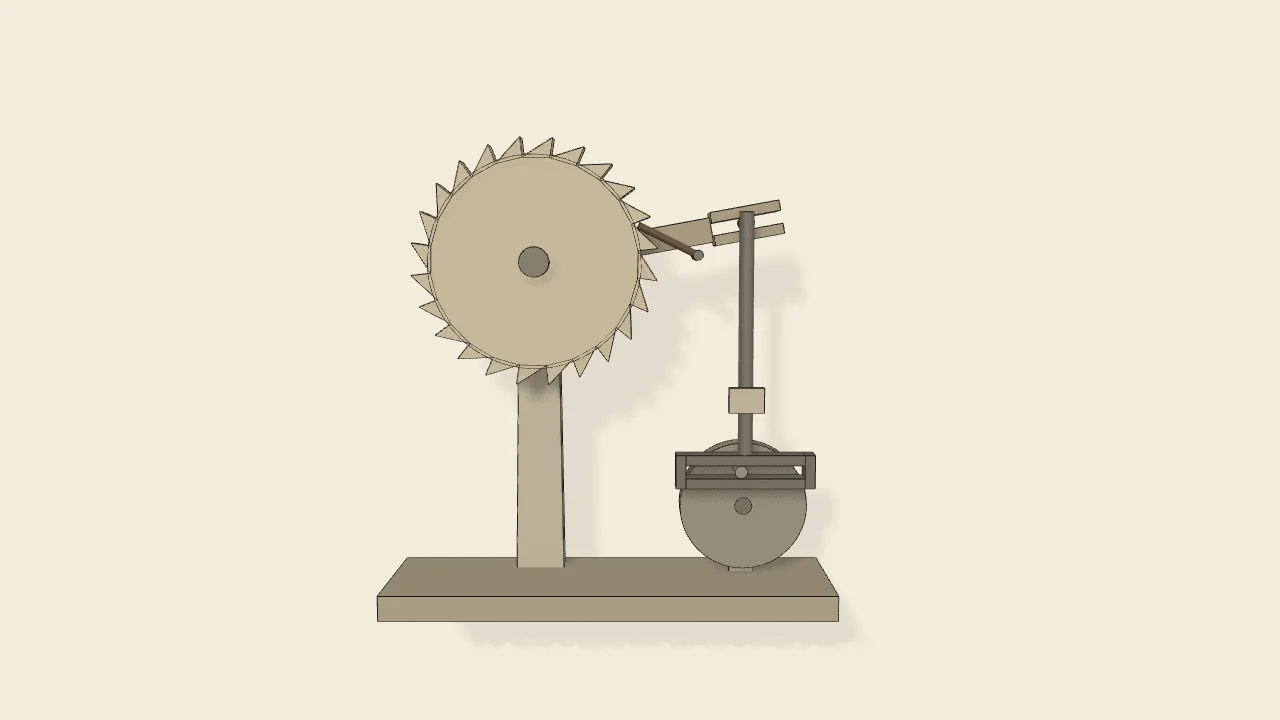 75. Pawl and ratchet from a sliding rod
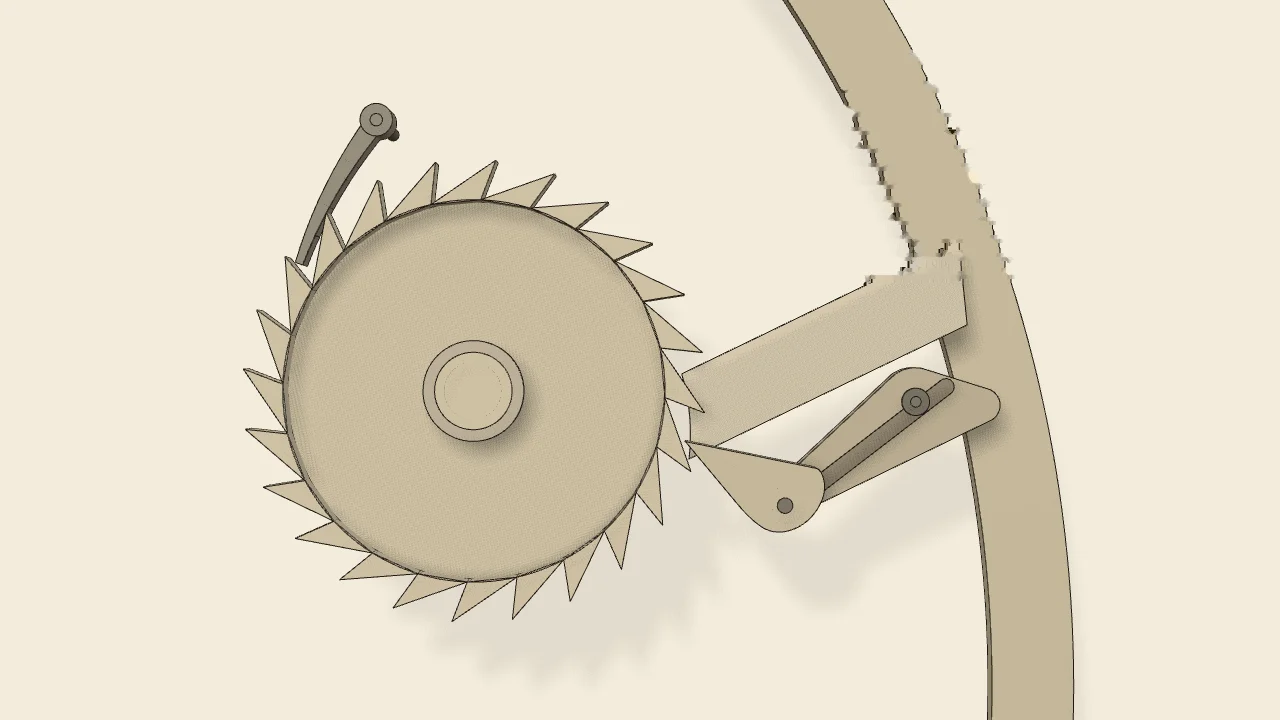 76. Revolution counter with tappet and ratchet
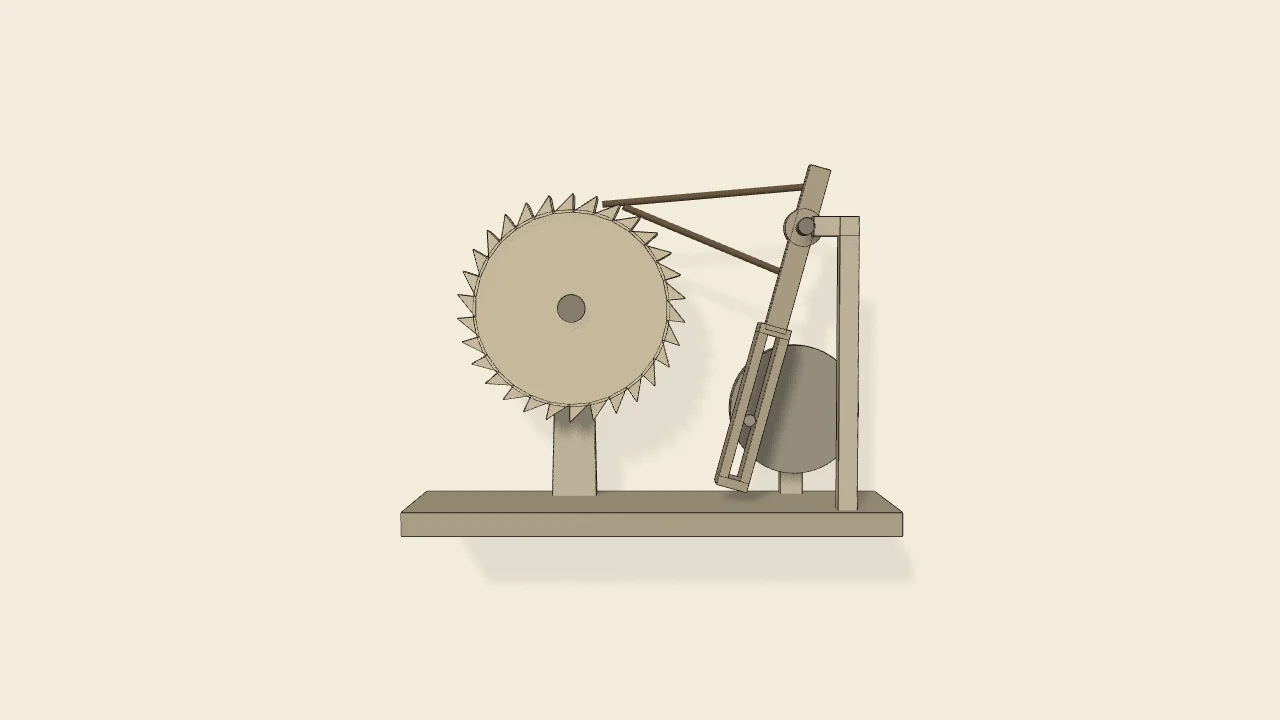 77. Double-pawl lever ratchet
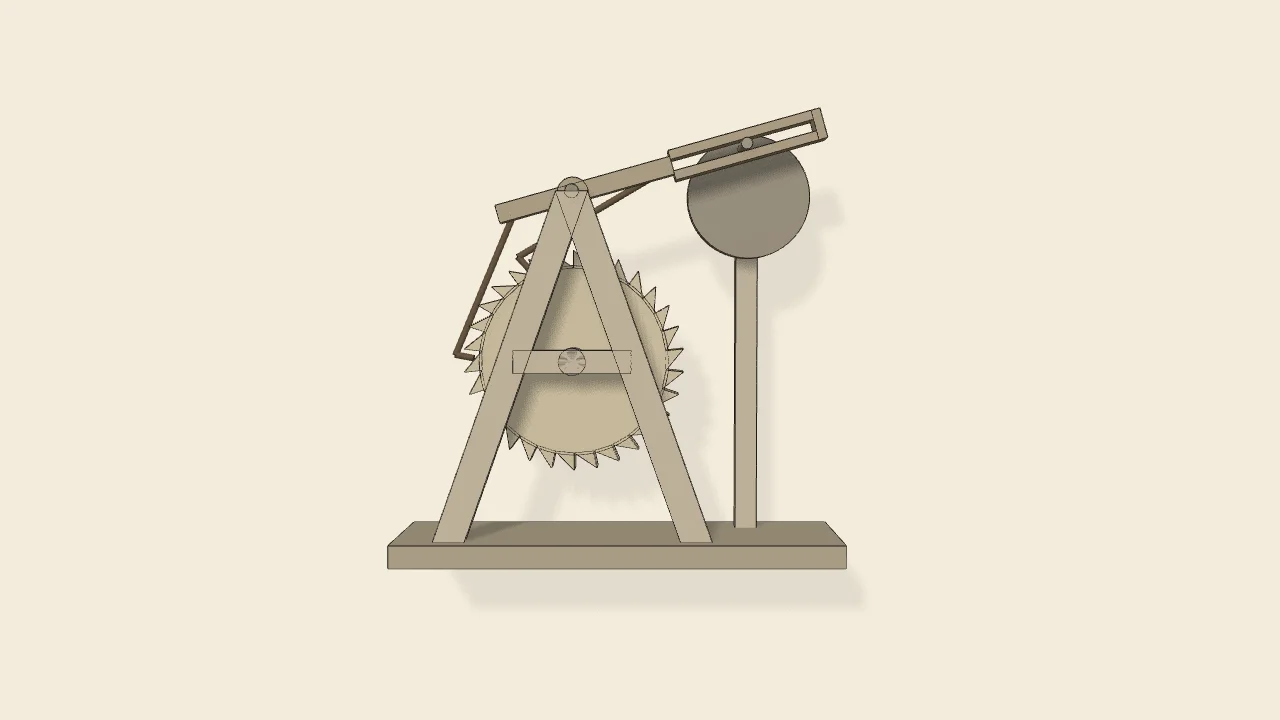 78. Double-pawl lever ratchet (variant of No. 77)
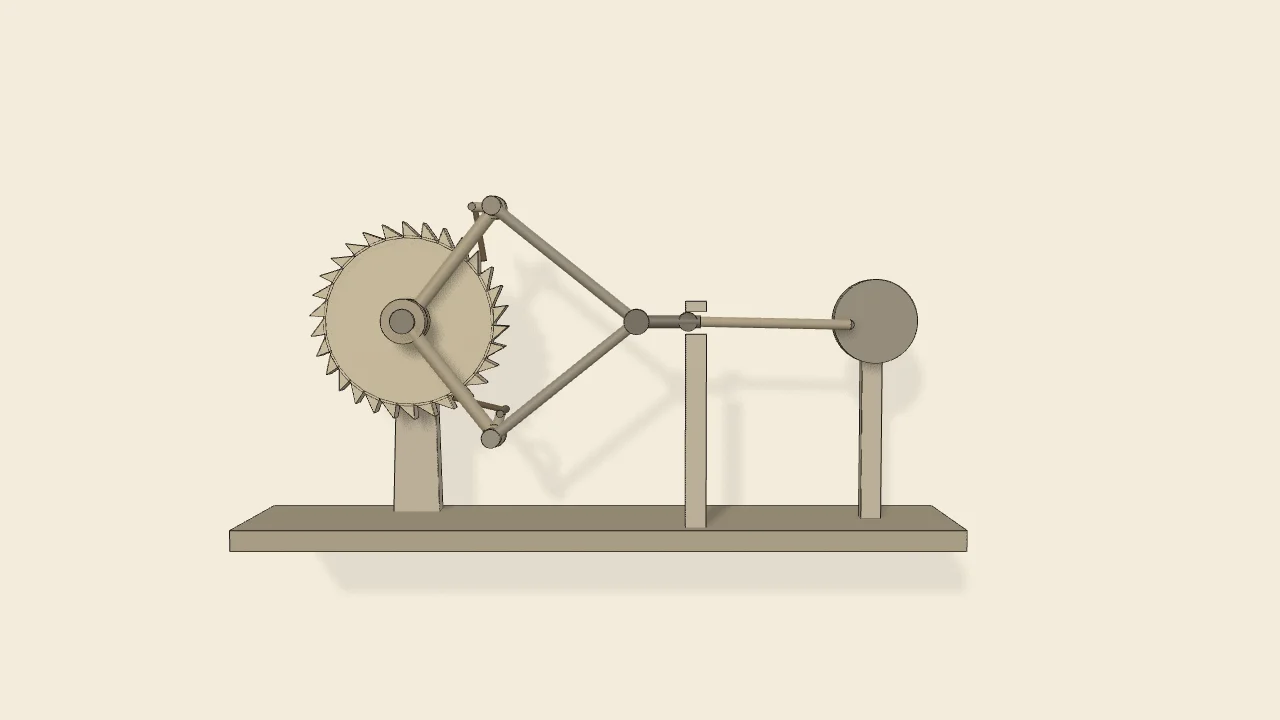 79. Double-arm ratchet from a sliding rod
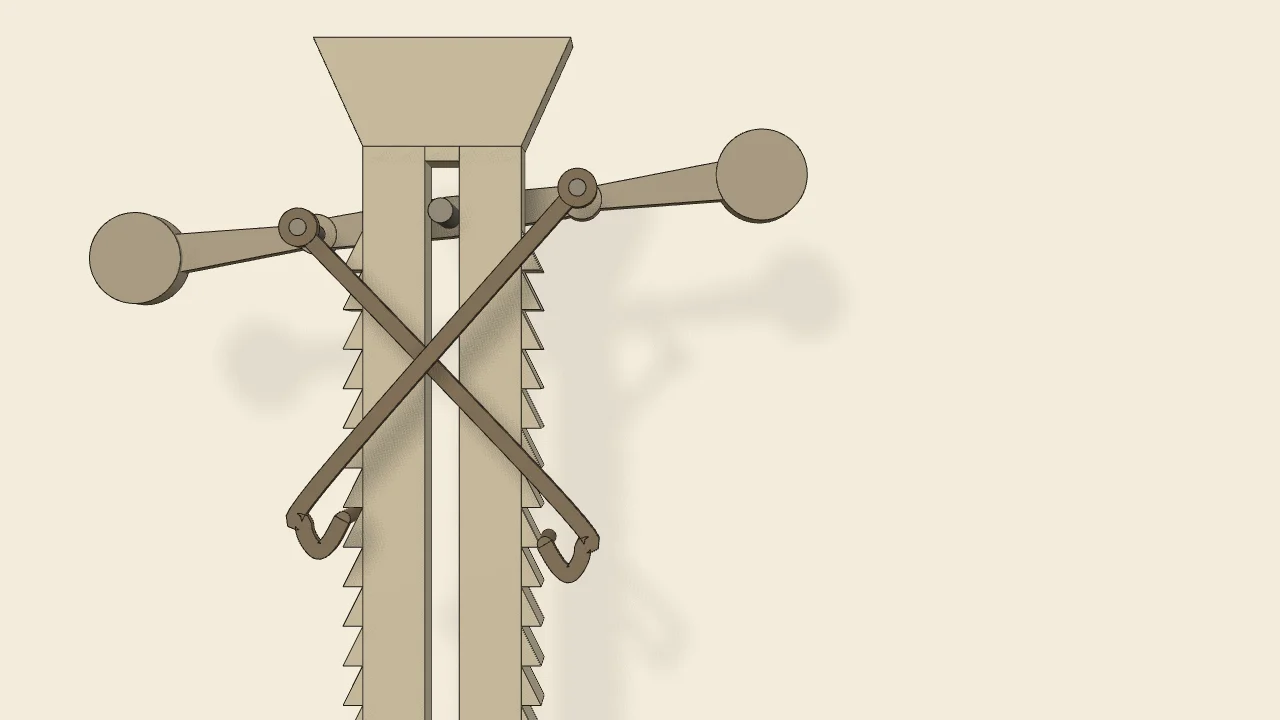 80. Double-pawl ratchet rack bar
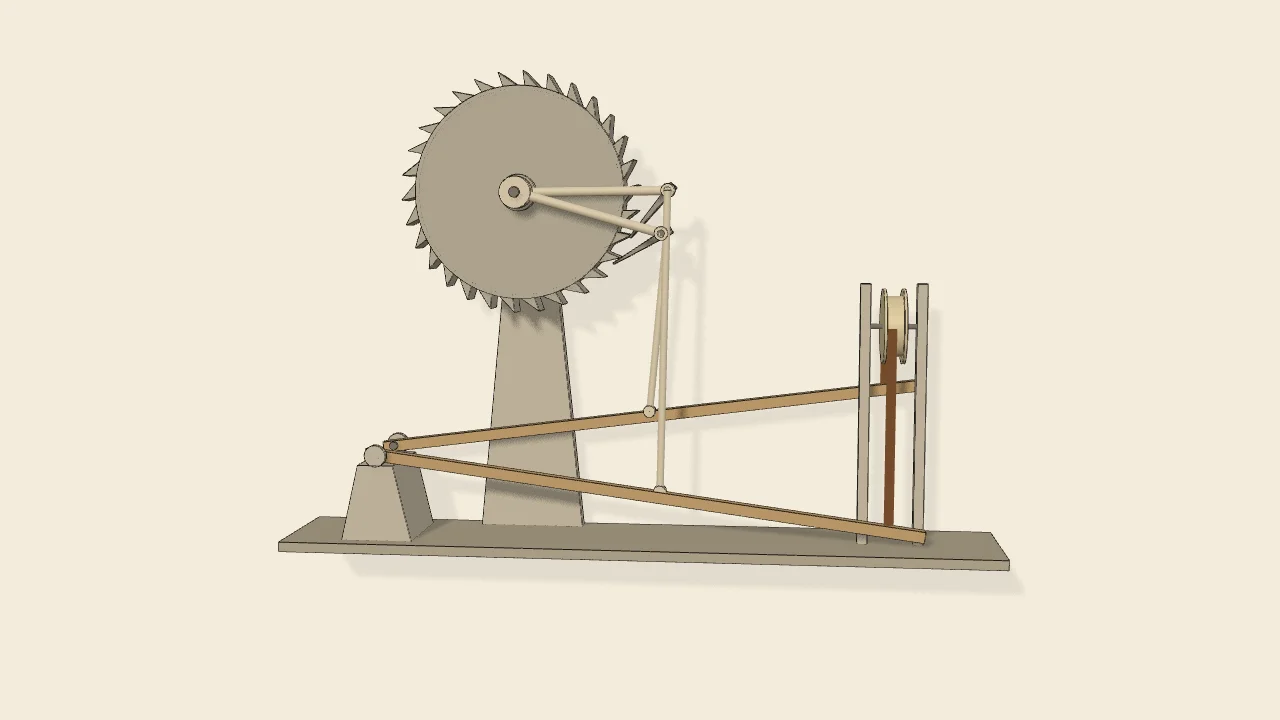 82. Double treadle ratchet
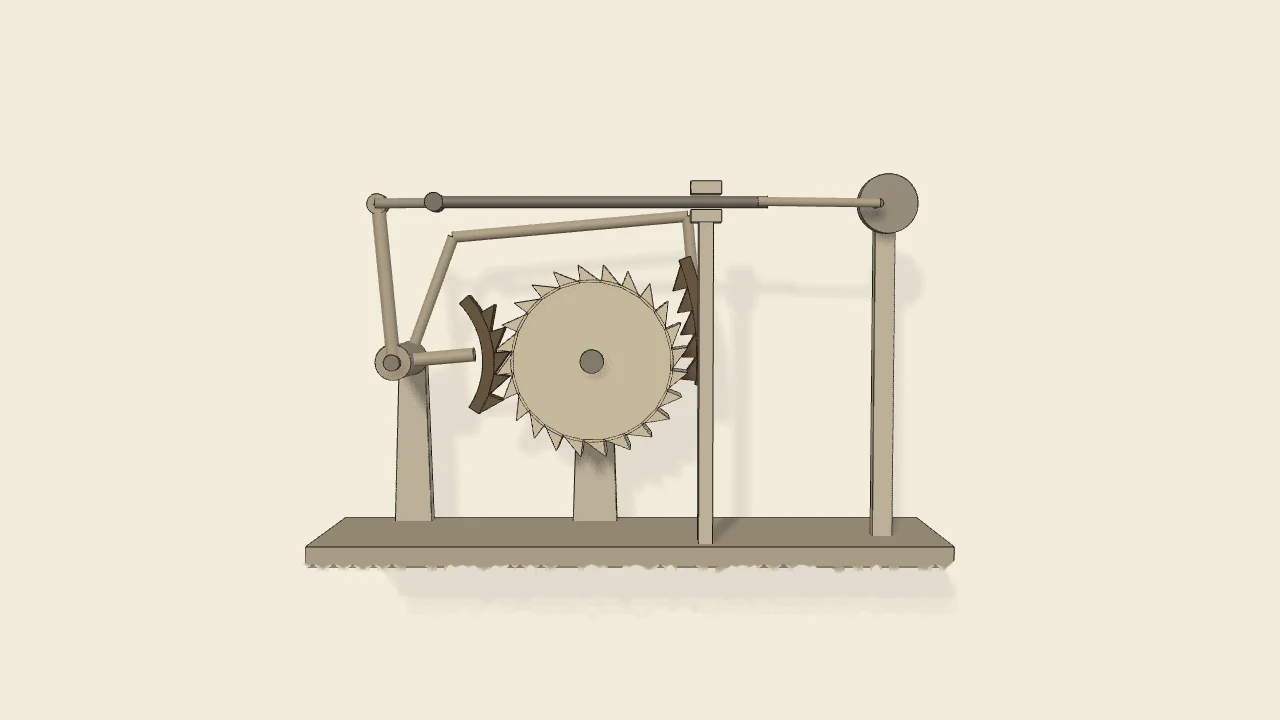 83. Ratchet wheel with two toothed arcs
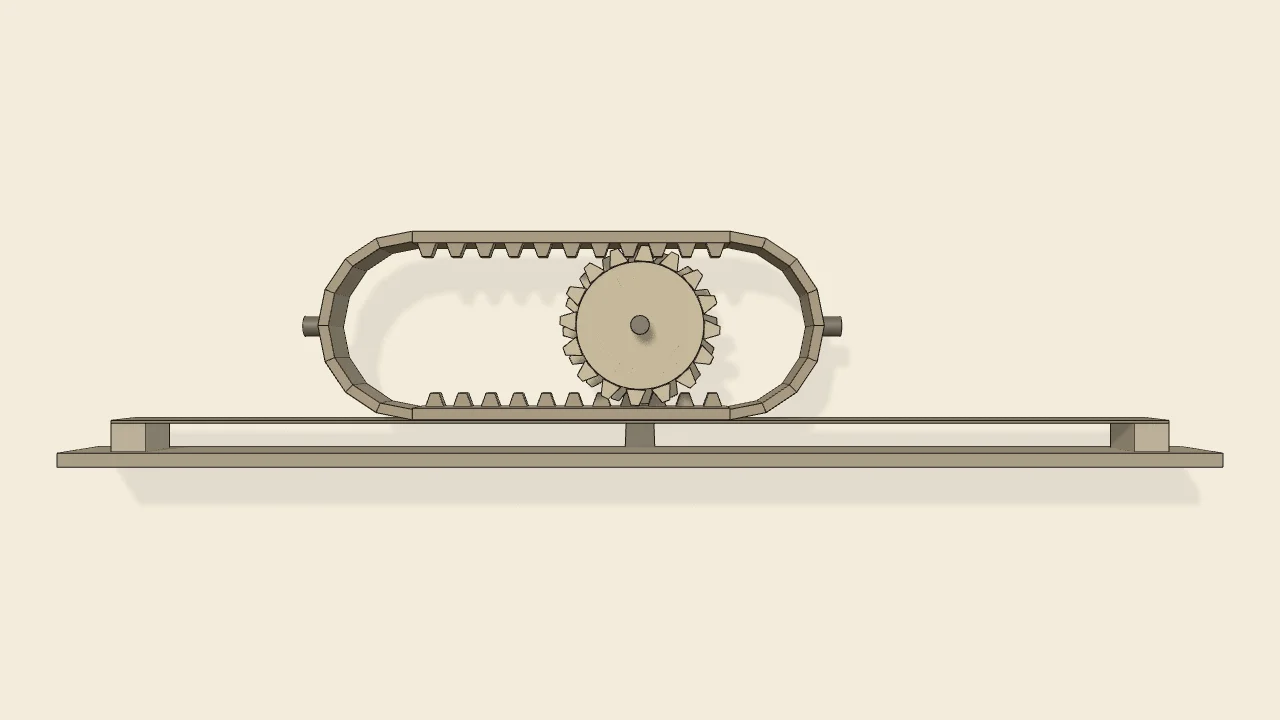 116. Double rack crank substitute with ratchets
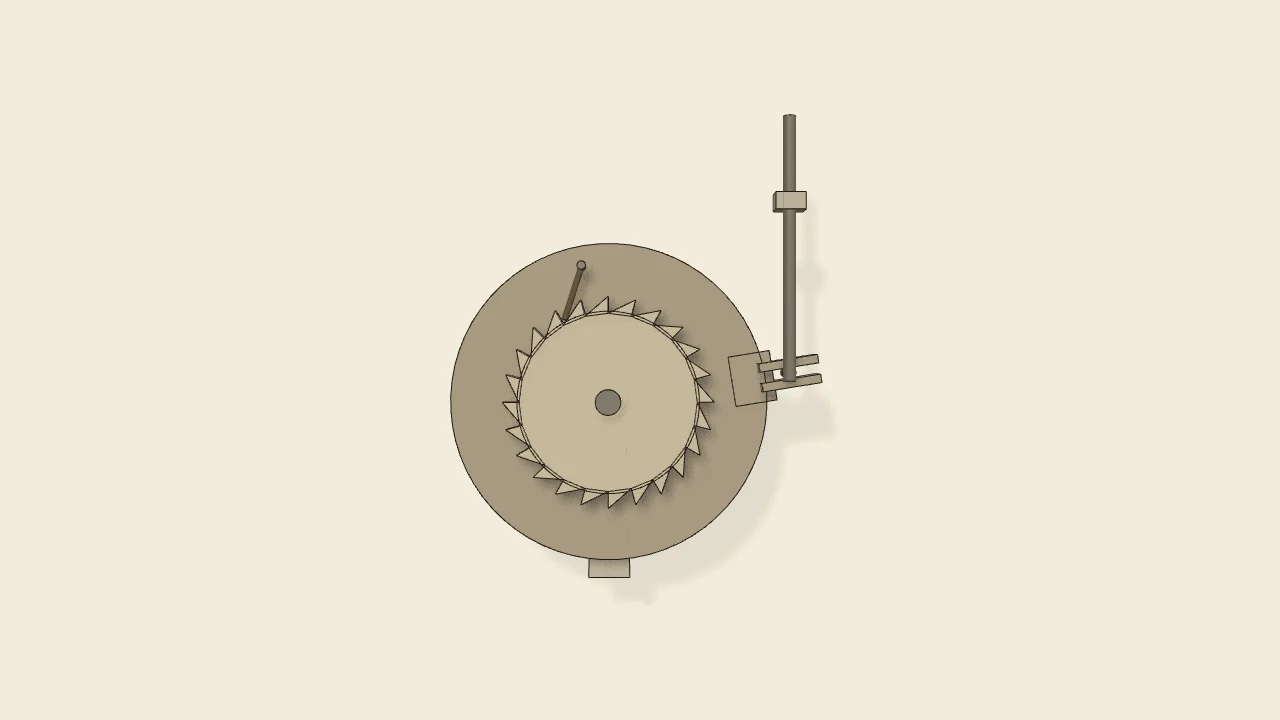 121. Click feed for planing machines
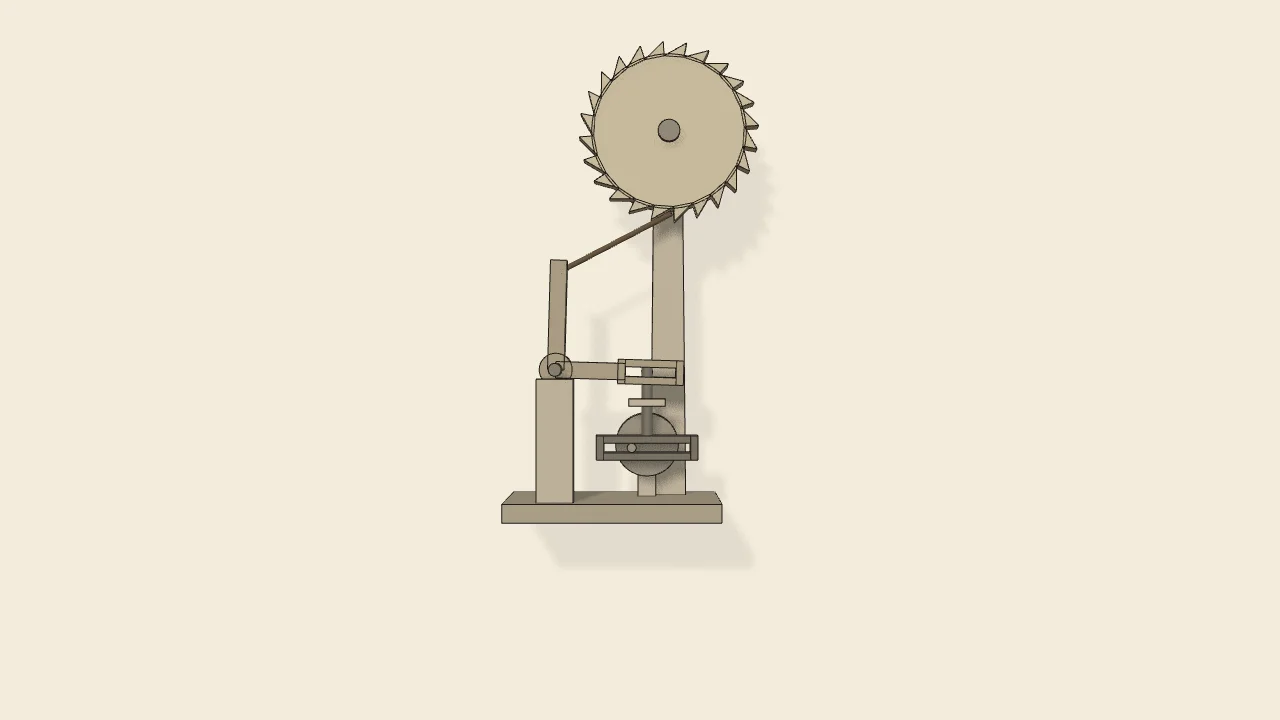 155. Elbow-lever pawl feed
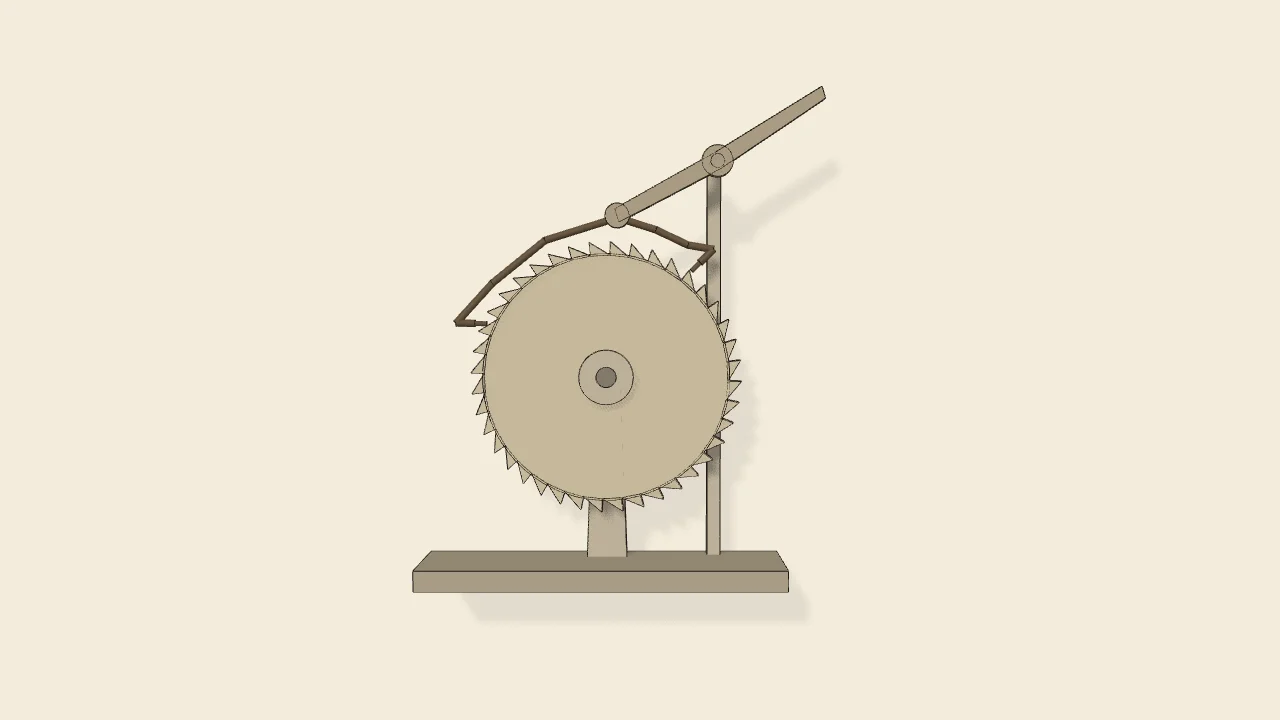 206. Lever ratchet with two pawls
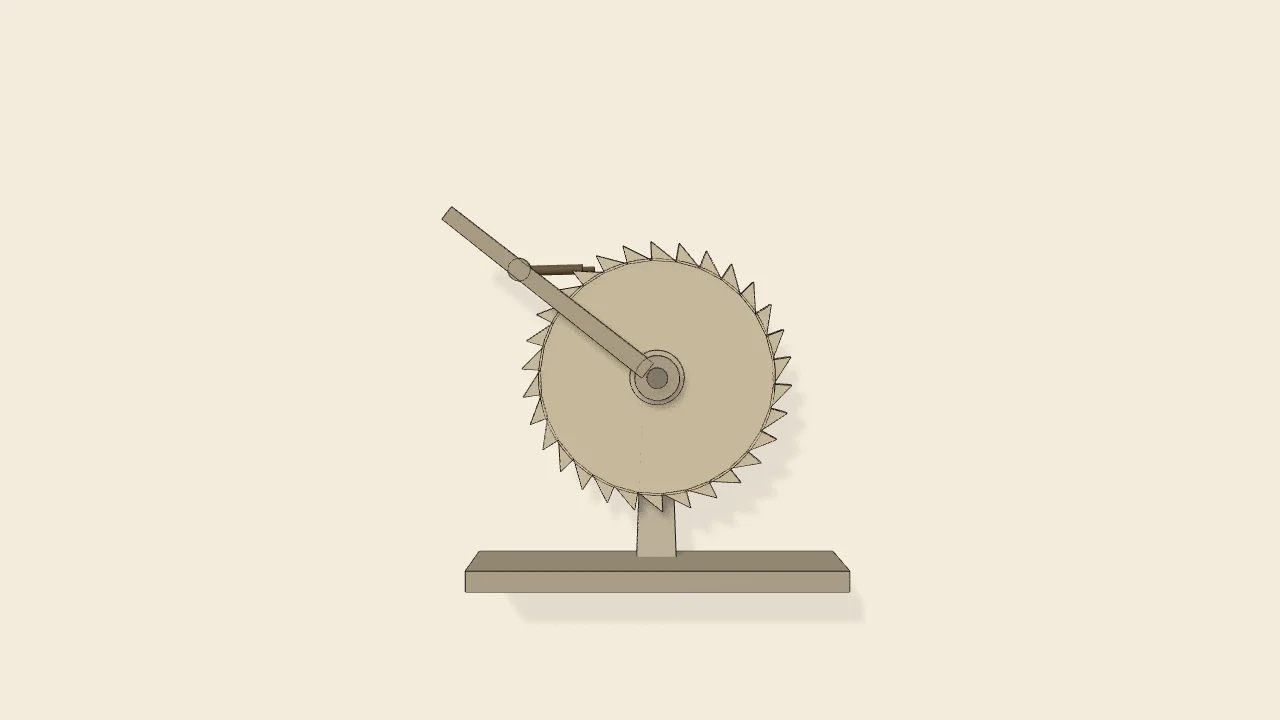 225. Pawl and ratchet wheel
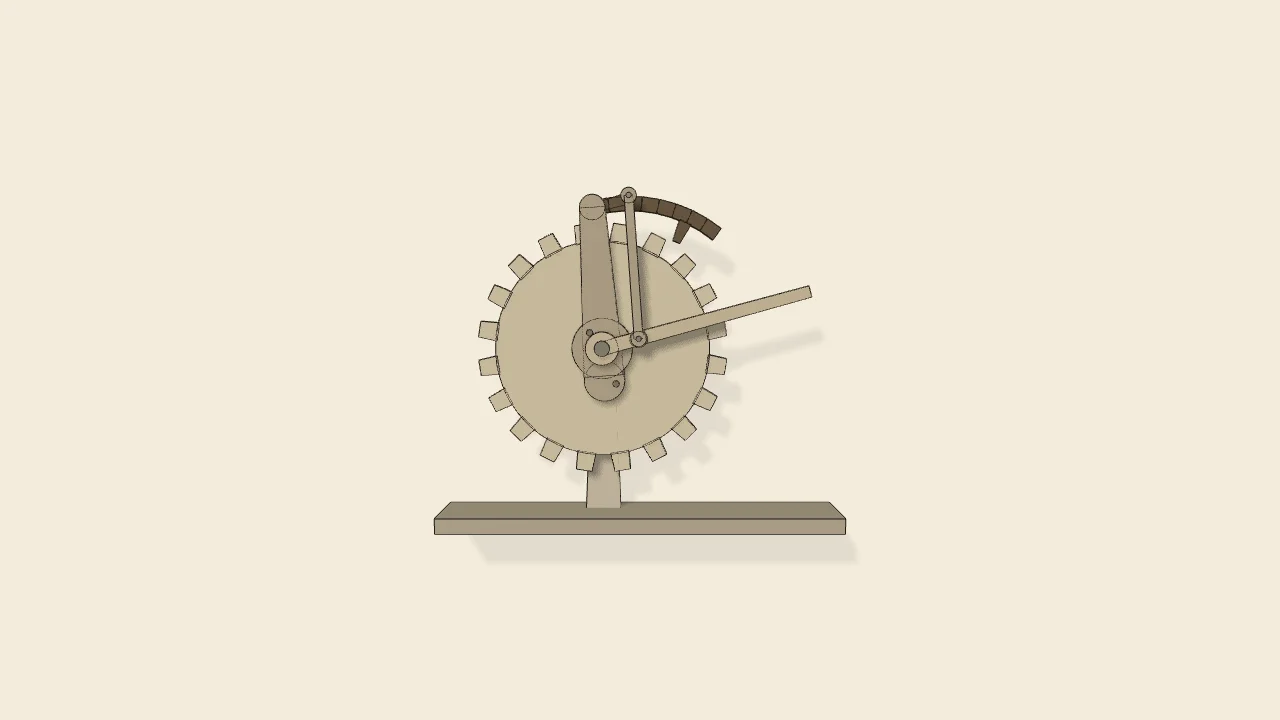 232. Lifting-arm pawl and toothed wheel
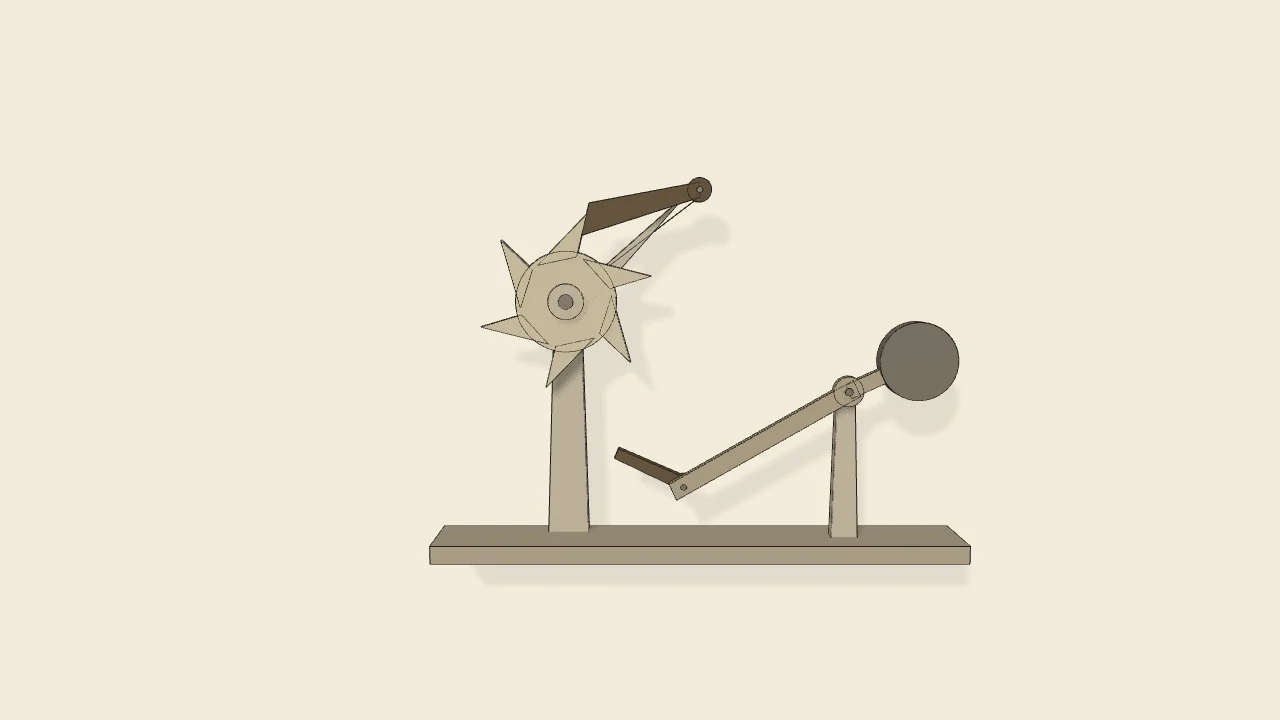 235. Tappet-arm ratchet
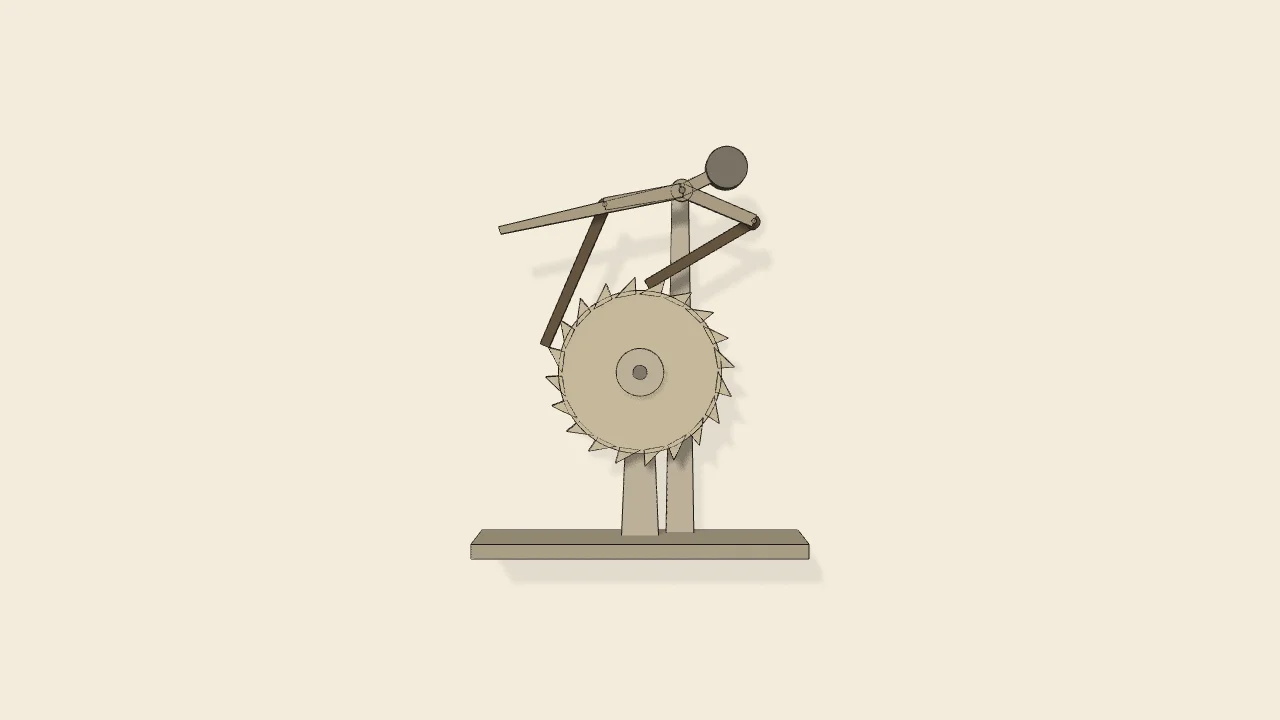 236. Two-pawl lever ratchet
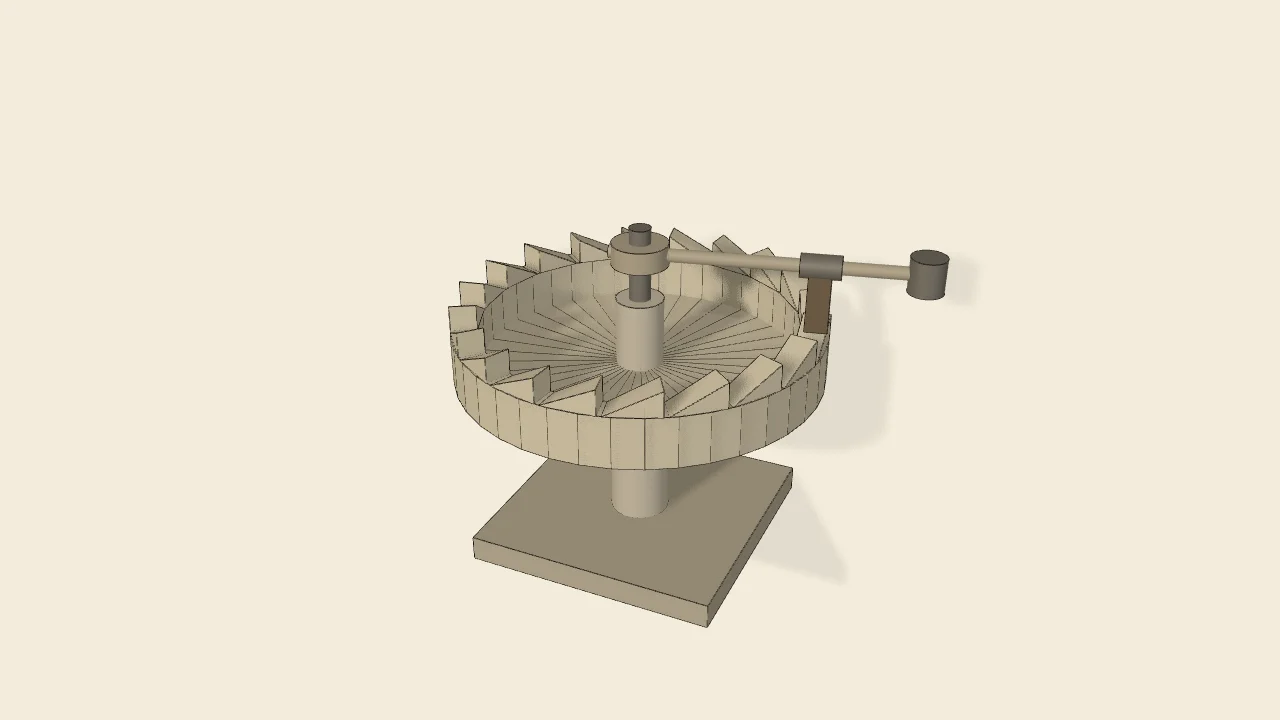 237. Crown ratchet (rag wheel)
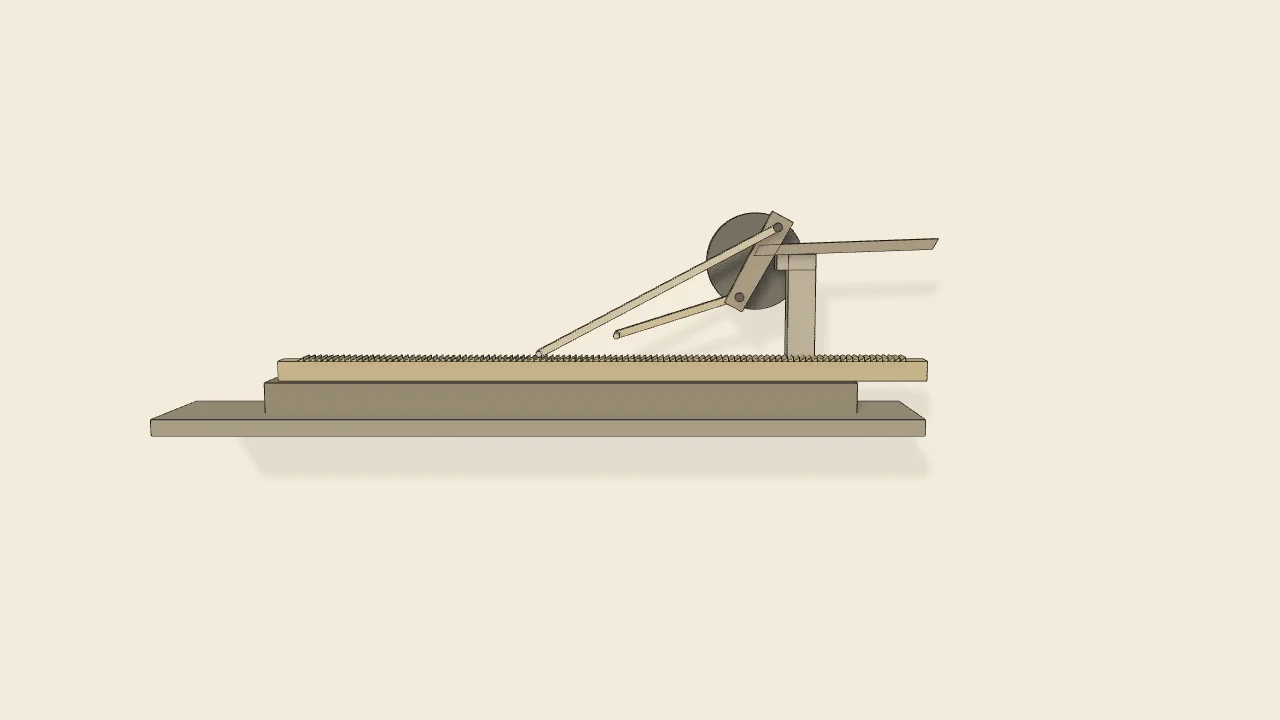 271. Double-pawl lever ratchet bar
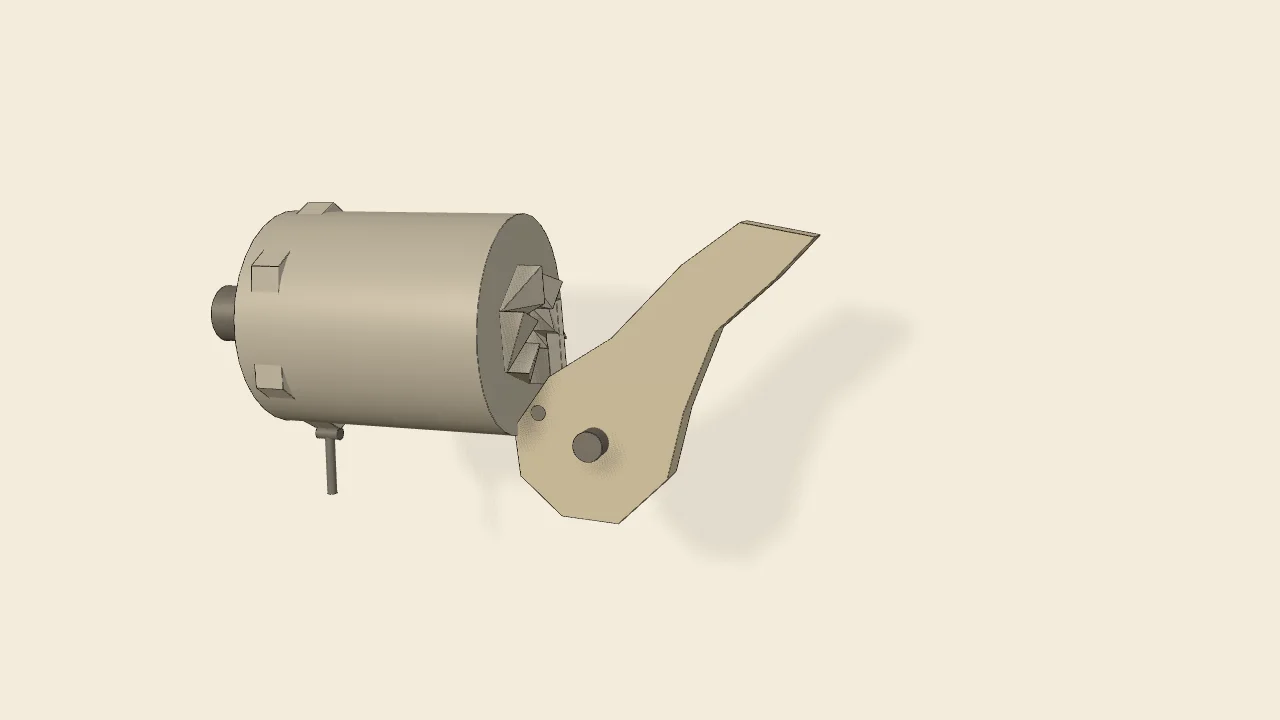 277. Colt revolver cylinder ratchet
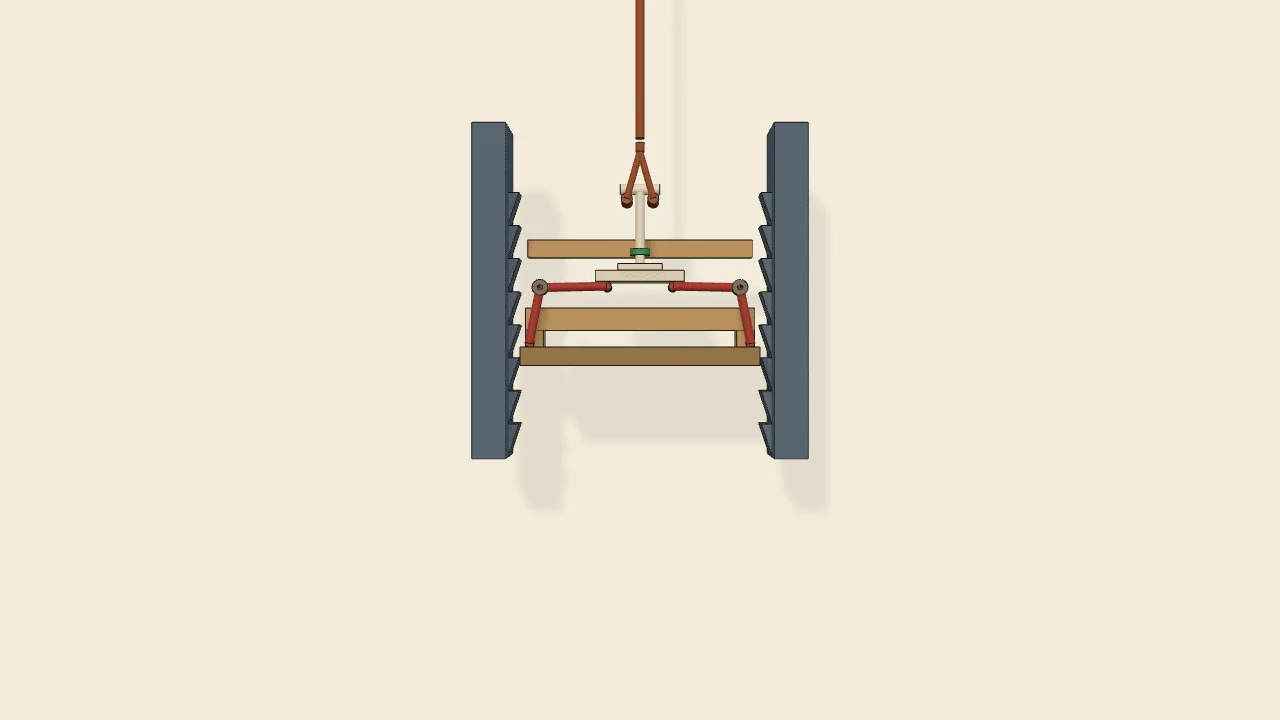 278. Otis elevator safety stop
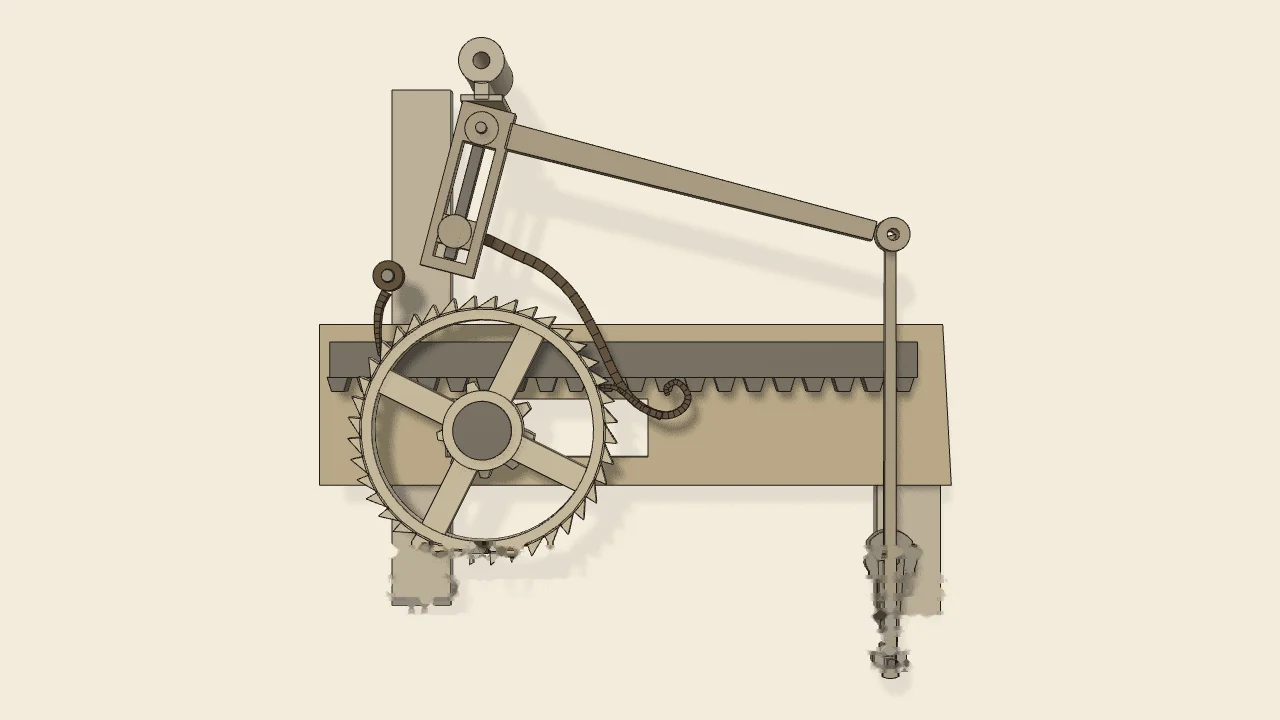 284. Saw-carriage ratchet feed
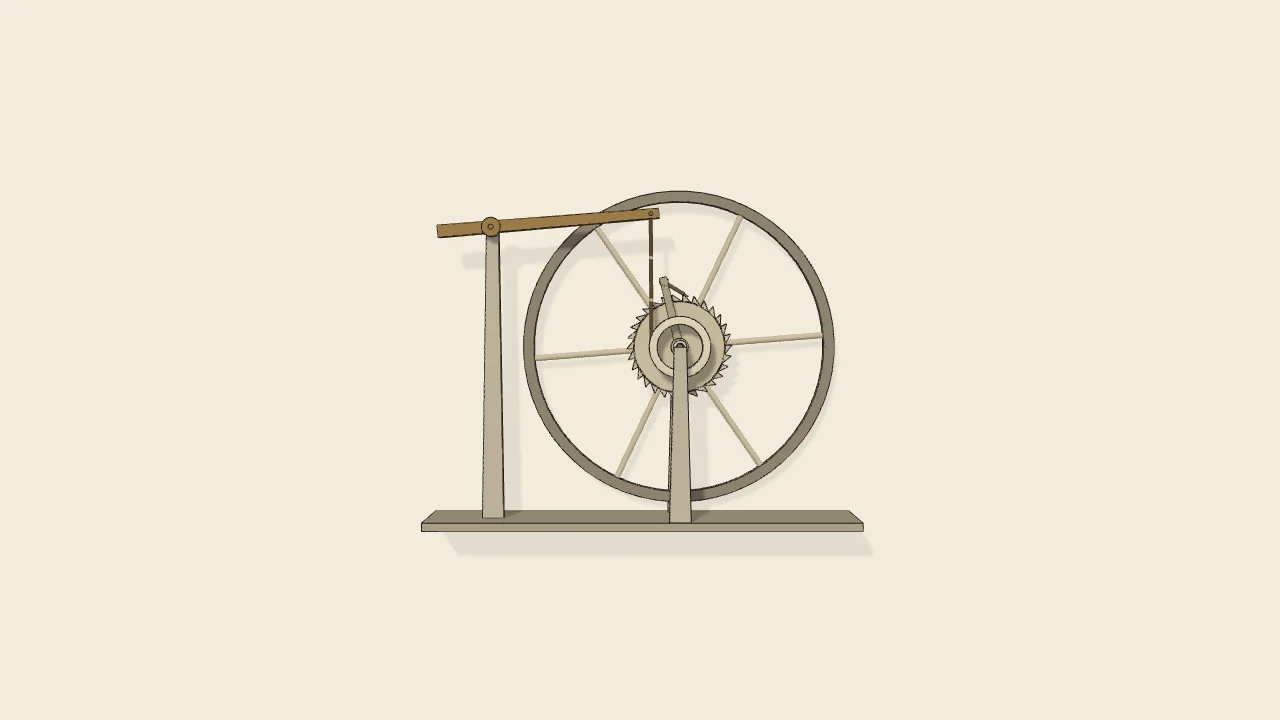 360. Beam and cord ratchet drive
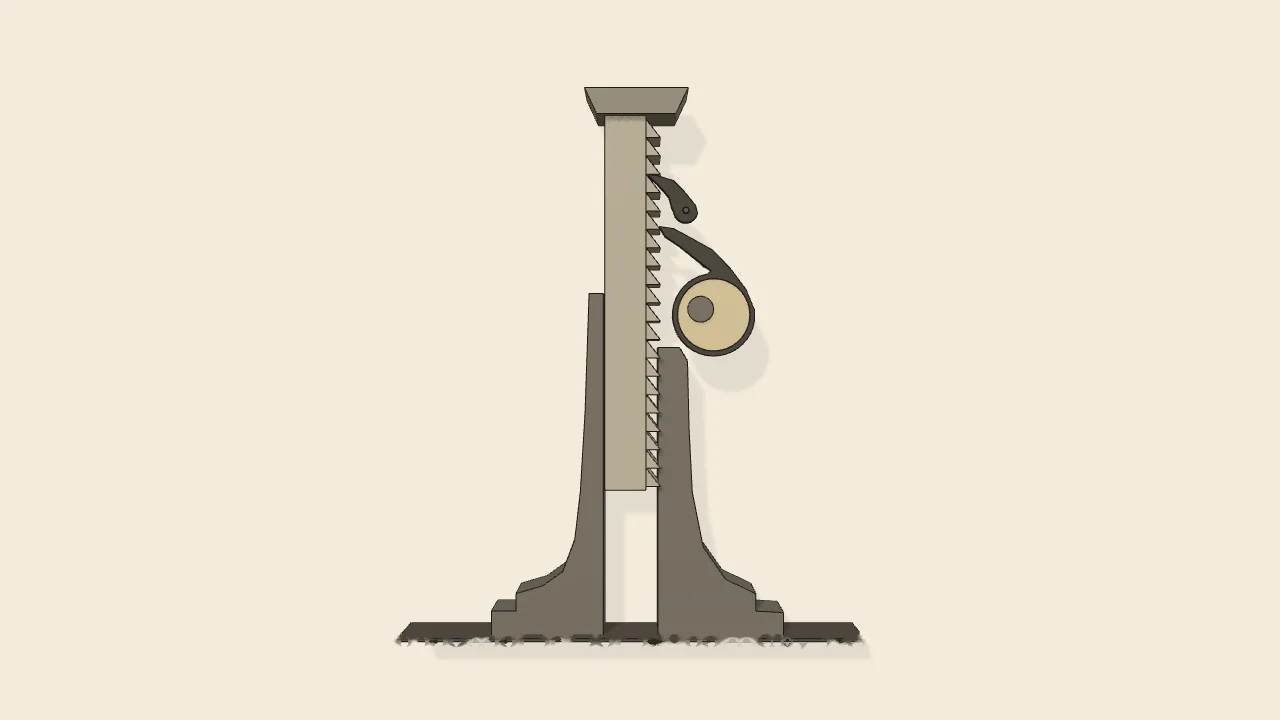 389. Lifting jack (eccentric, pawl and ratchet)
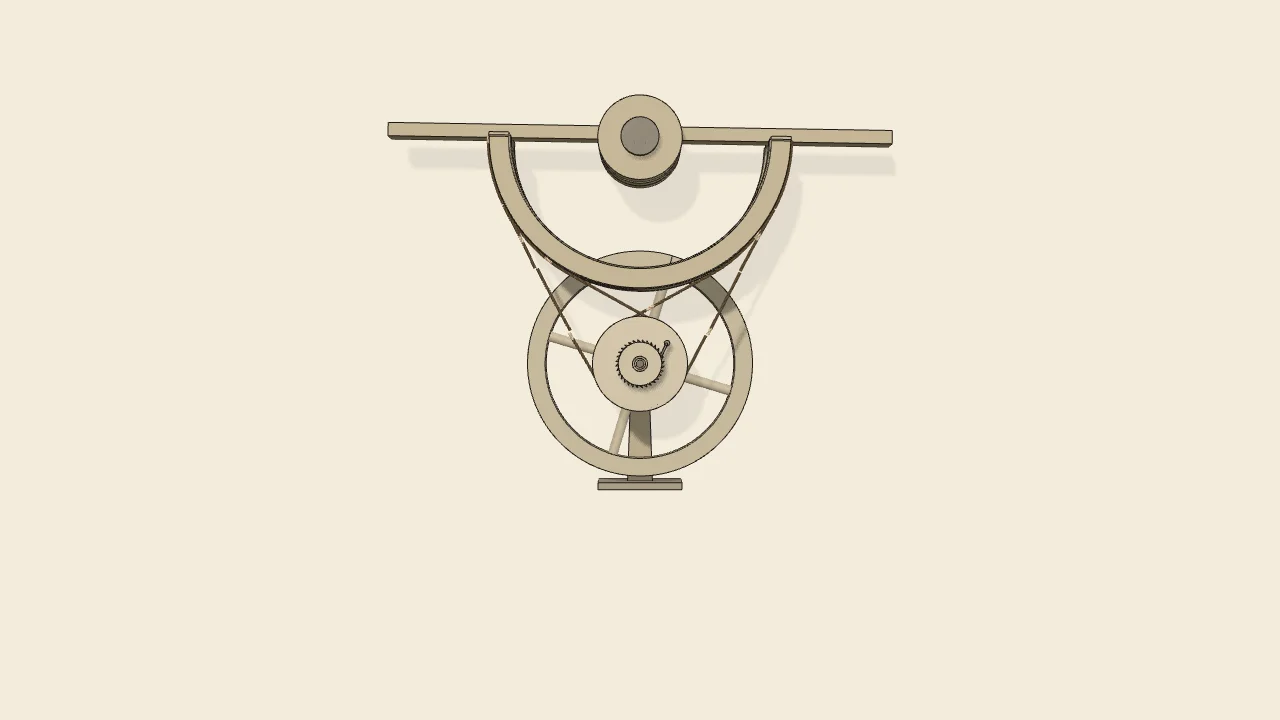 390. Band-and-ratchet rotary converter
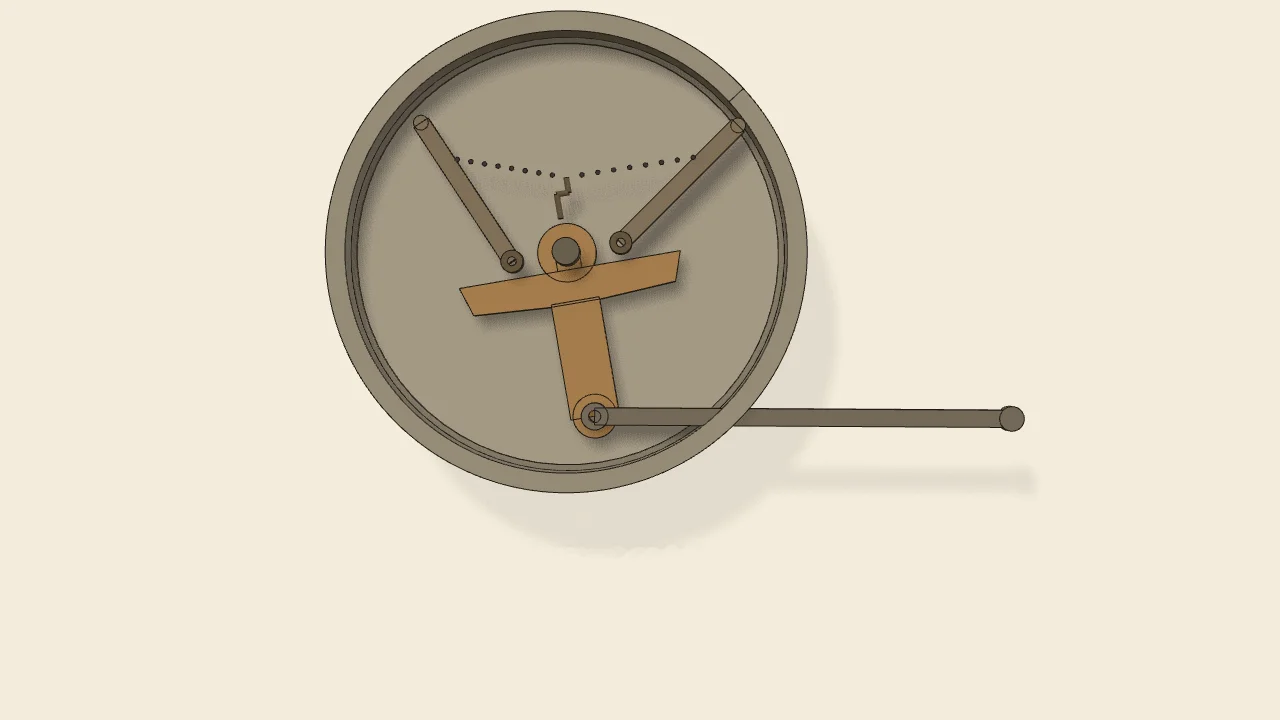 415. Dickson's double-pawl intermittent drive
Notes on membership
- No. 63: Brown's text names this mechanism as the working part, but his index files it under another heading.
- No. 73: Brown's text names this mechanism as the working part, but his index files it under another heading.
- No. 77: Brown's text names this mechanism as the working part, but his index files it under another heading.
- No. 83: Brown's text names this mechanism as the working part, but his index files it under another heading. Index OCR reads 82 in one scan and 83 in the other; both are pawl-and-ratchet movements by their text.
- No. 116: Brown's text names this mechanism as the working part, but his index files it under another heading.
- No. 232: Brown's text names this mechanism as the working part, but his index files it under another heading.
- No. 235: Brown's text names this mechanism as the working part, but his index files it under another heading.
- No. 360: Brown's text names this mechanism as the working part, but his index files it under another heading.
- No. 390: Brown's text names this mechanism as the working part, but his index files it under another heading.
- No. 415: Brown's text names this mechanism as the working part, but his index files it under another heading.