Parallel motions and piston-rod guides
Watt's, Scott Russell's and other parallel motions and piston-rod guides from Brown's 1868 book, simulated with measured straight-line error.
A parallel motion keeps a piston rod moving in a straight line even though the beam or lever driving it swings in an arc. Brown's index lists 13 parallel motions: Nos. 328, 329, 332 to 341, and 343. It lists four more movements under “Guides” (Nos. 326, 327, 330 and 331), which do the same job with slides, rollers or wheels.
The site's model descriptions identify Nos. 335, 337, 338 and 343 as forms of Watt's linkage, and Nos. 333 and 339 as Scott Russell's. Those attributions come from the site, not from Brown's wording. No. 328 uses two equal gear wheels turning in opposite directions. No. 329 runs a wheel inside an internal gear of twice its diameter, so a point on its rim moves along a diameter.
Each page measures how far the rod strays from a straight line. Watt's motion in No. 335 strays no more than 0.16 mm over an 11.3 cm stroke, and the grasshopper and Scott Russell forms are measured the same way. Most of these linkages are only approximately straight, and the numbers show by how much.
The 17 working models
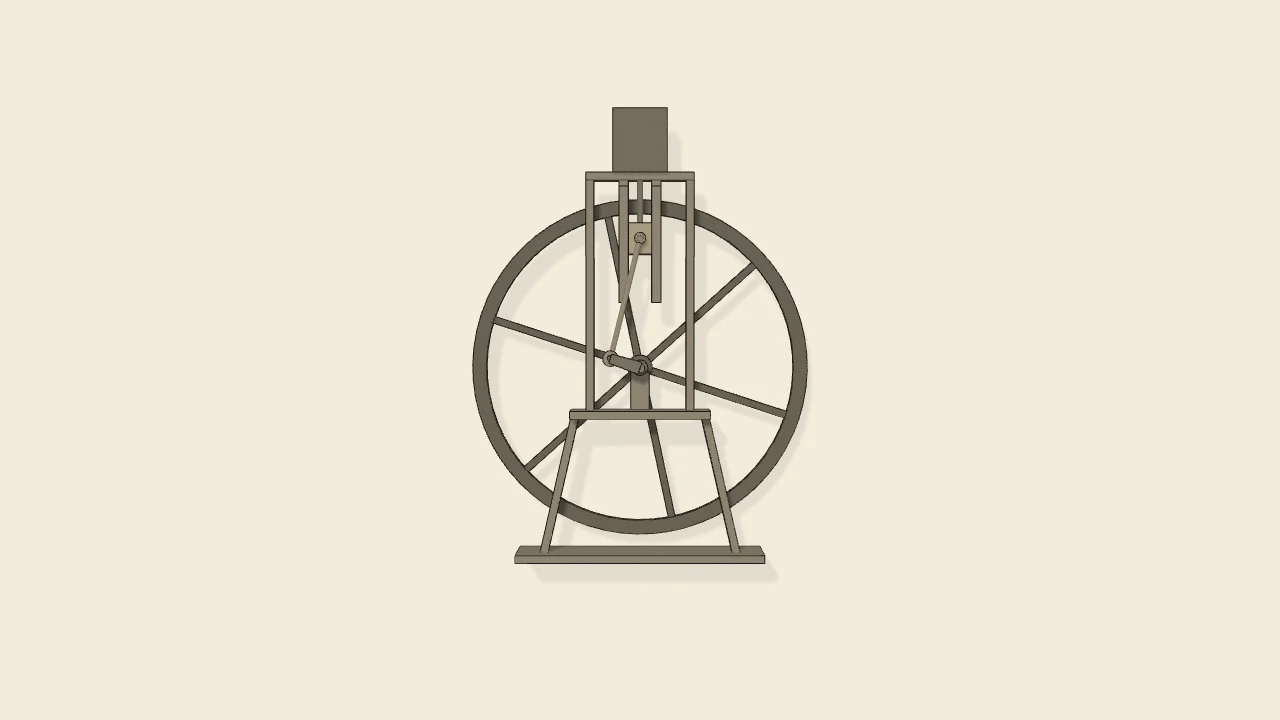 326. Slide guide for a piston rod
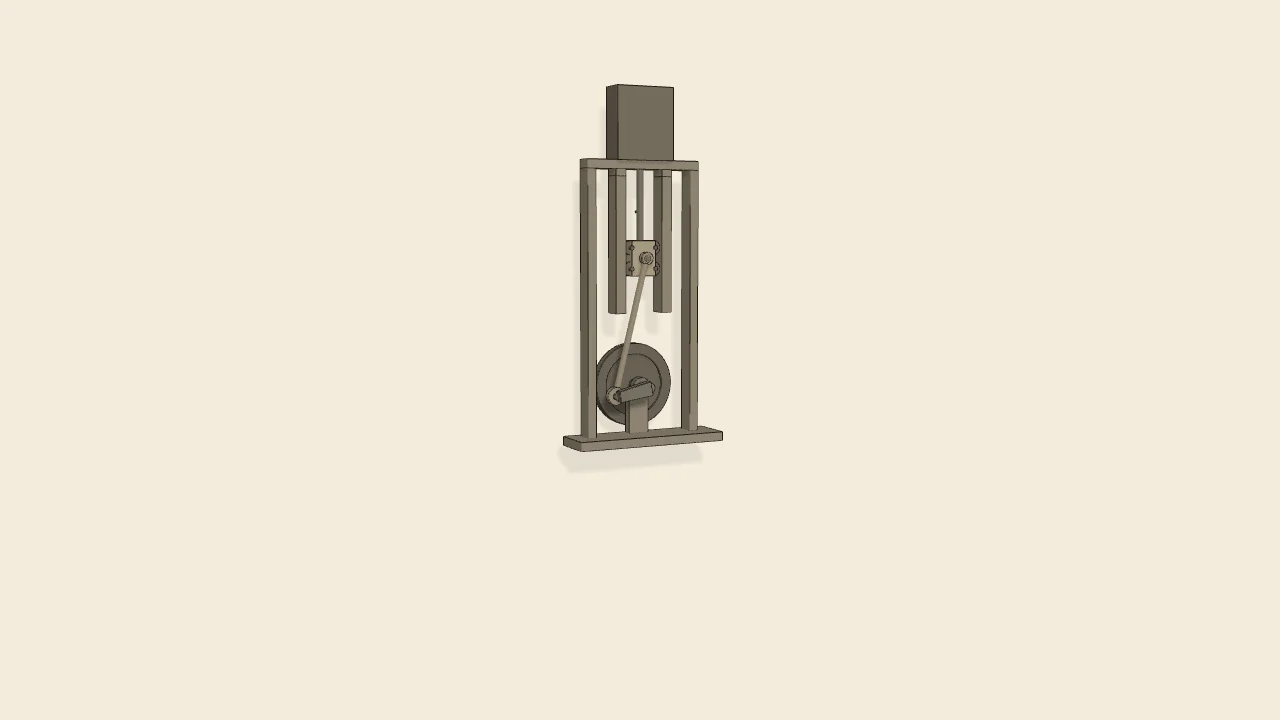 327. Roller guide for a piston rod
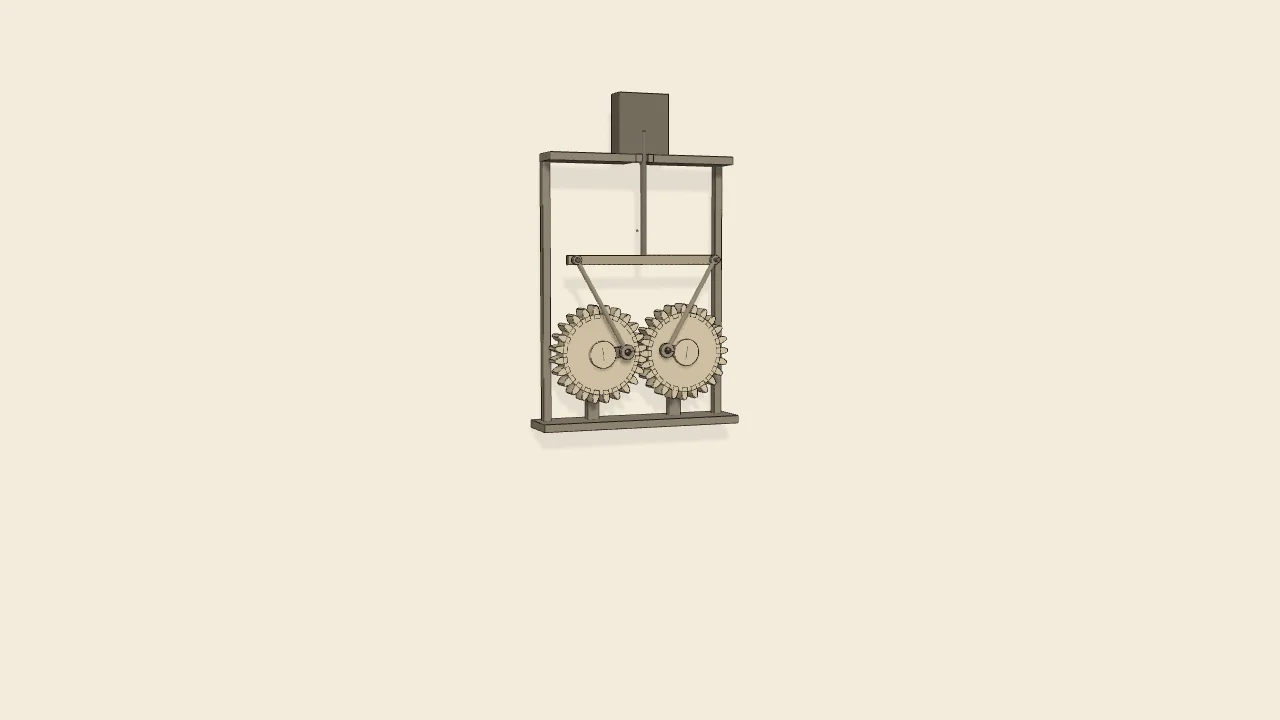 328. Cartwright's parallel motion
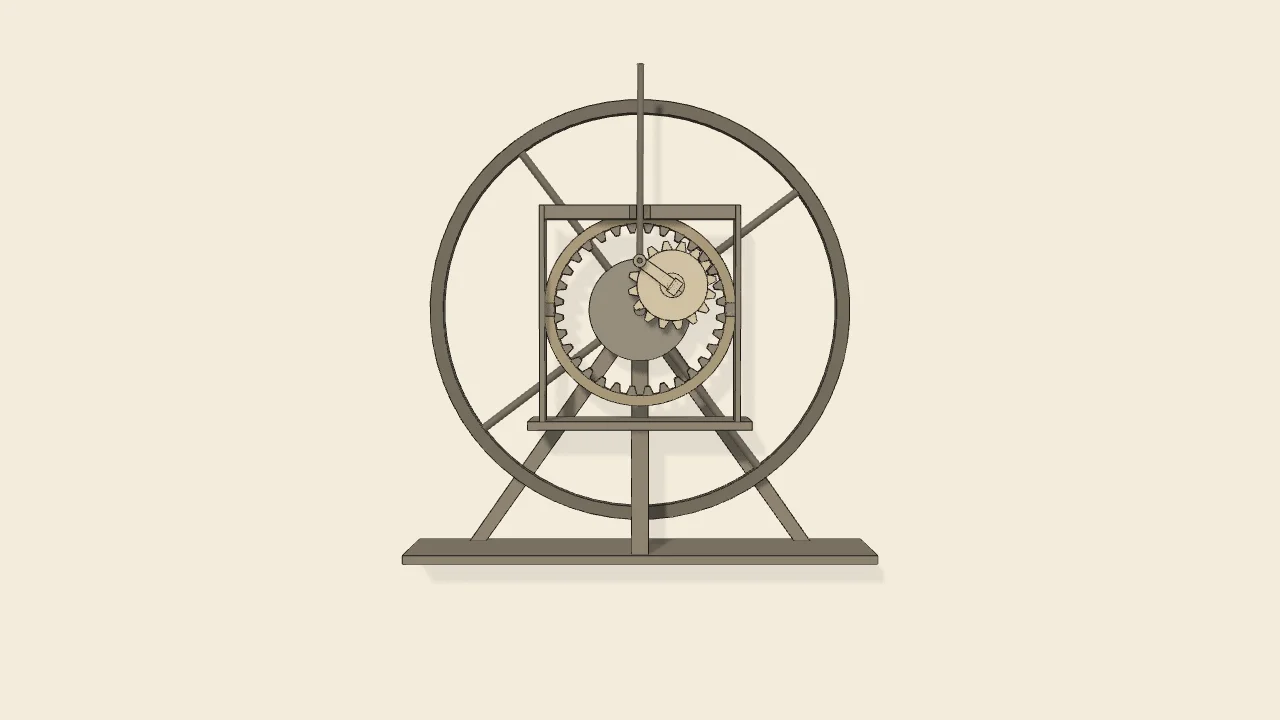 329. Geared piston-rod guide (straight-line hypocycloid)
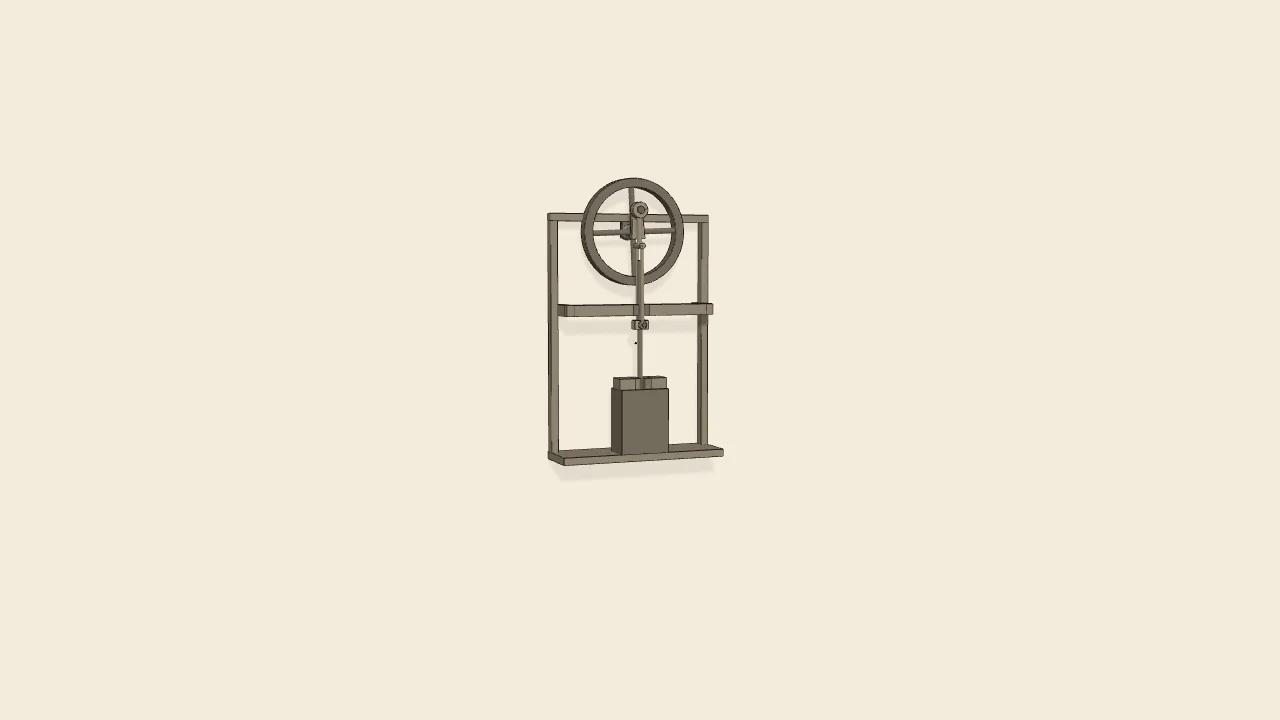 330. Prolonged piston rod in a guide
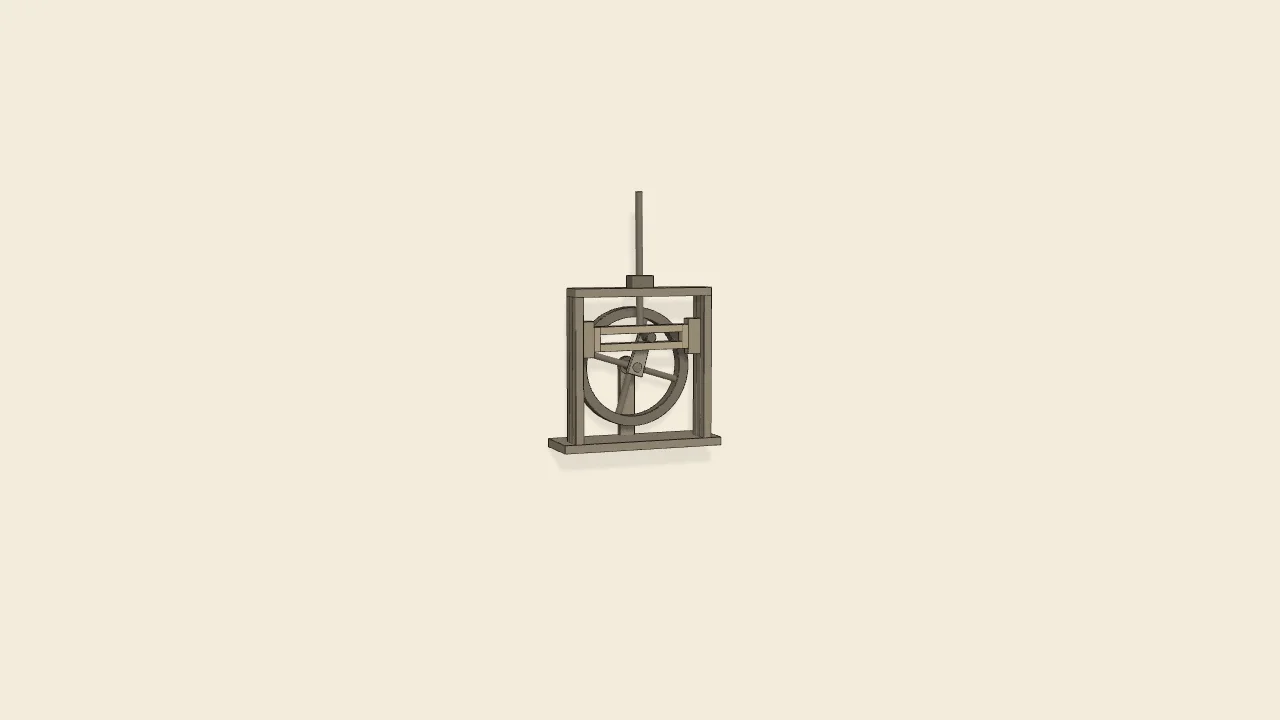 331. Engine with slotted crosshead
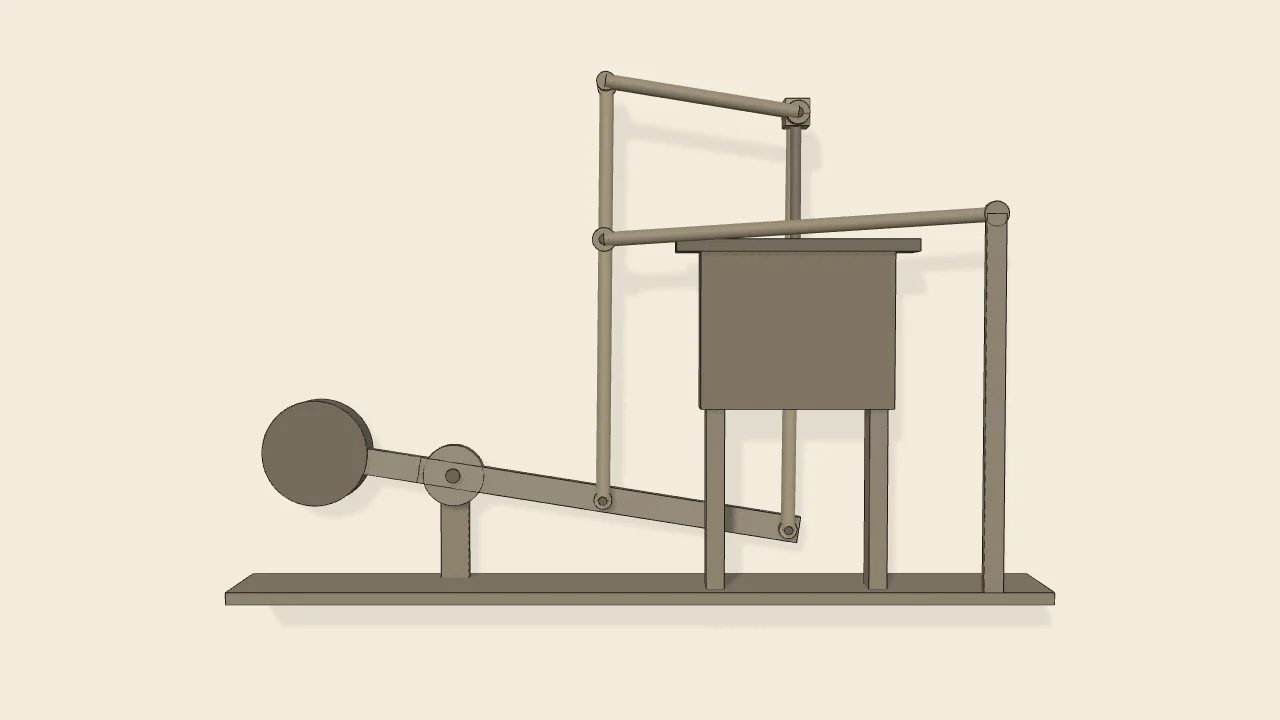 332. Side-lever marine engine parallel motion
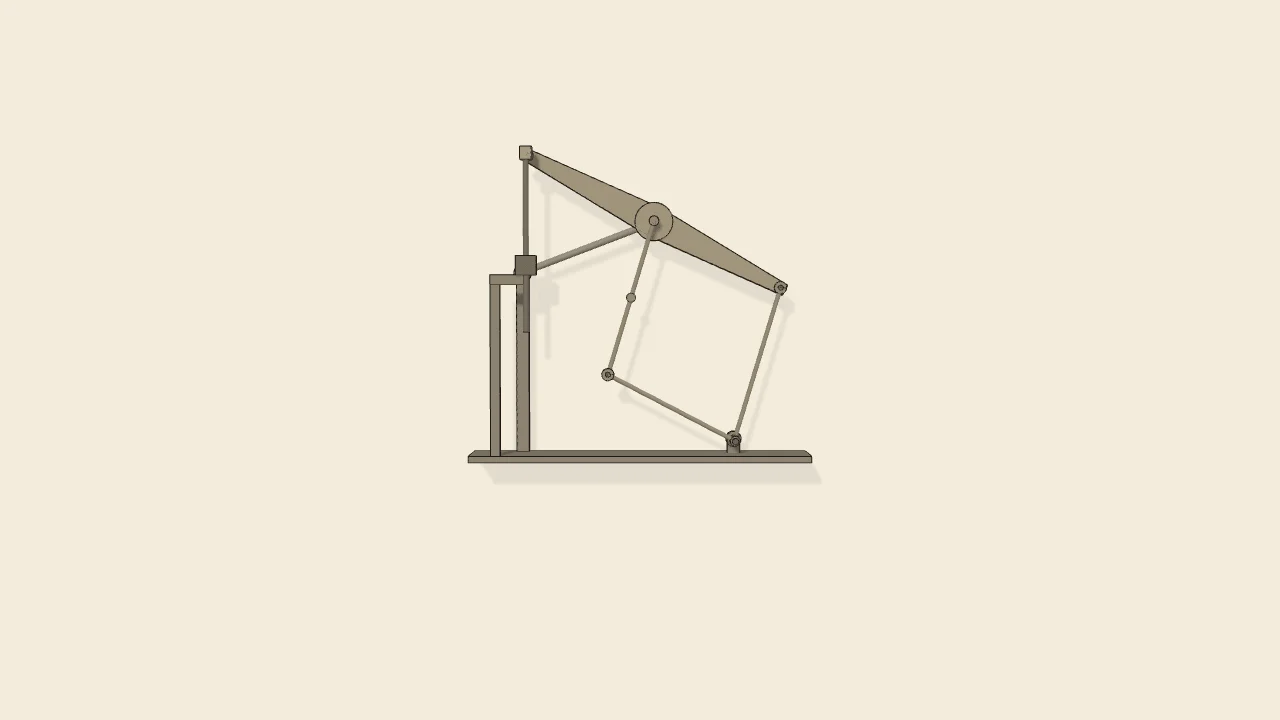 333. Parallel motion for particular cases
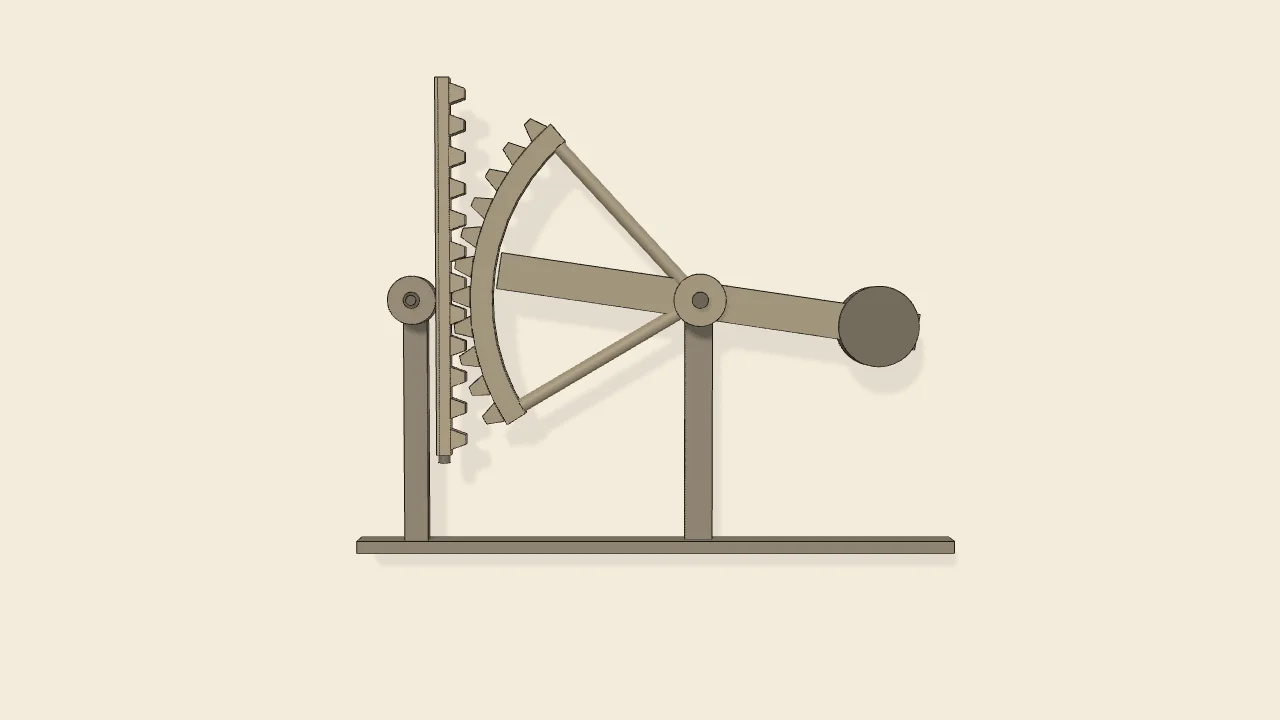 334. Rack-and-segment parallel motion
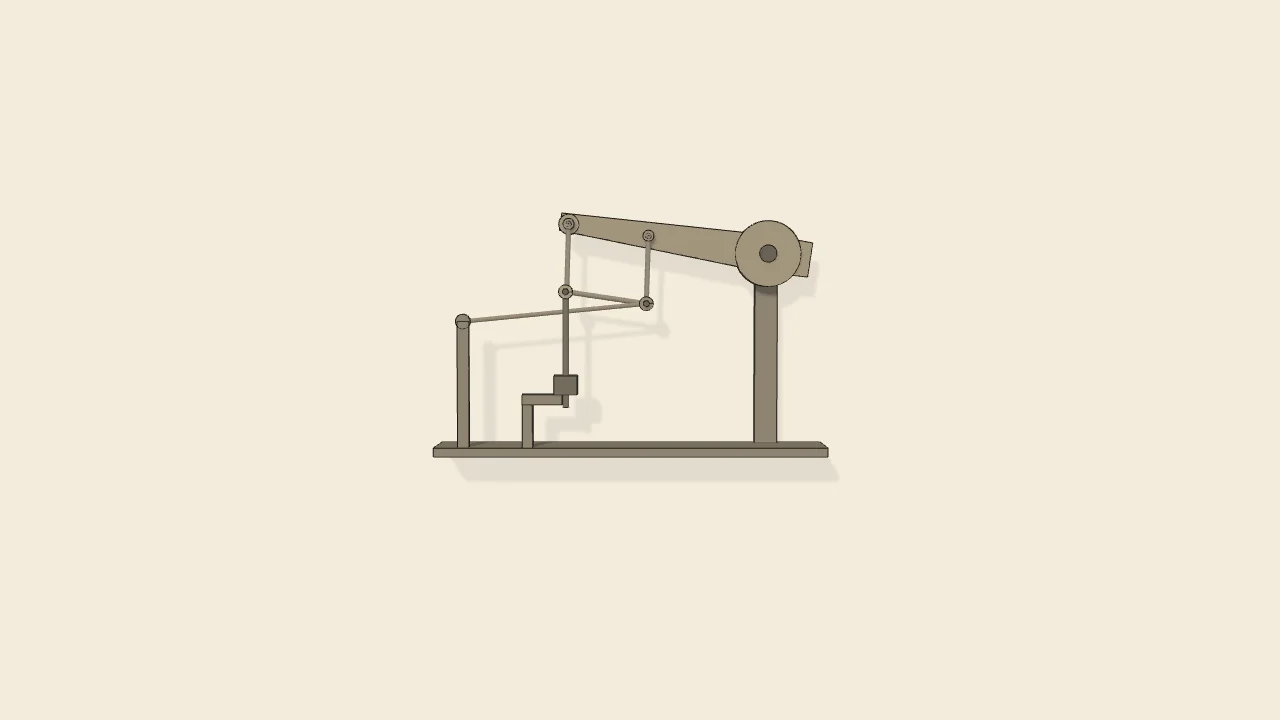 335. Beam engine parallel motion (Watt)
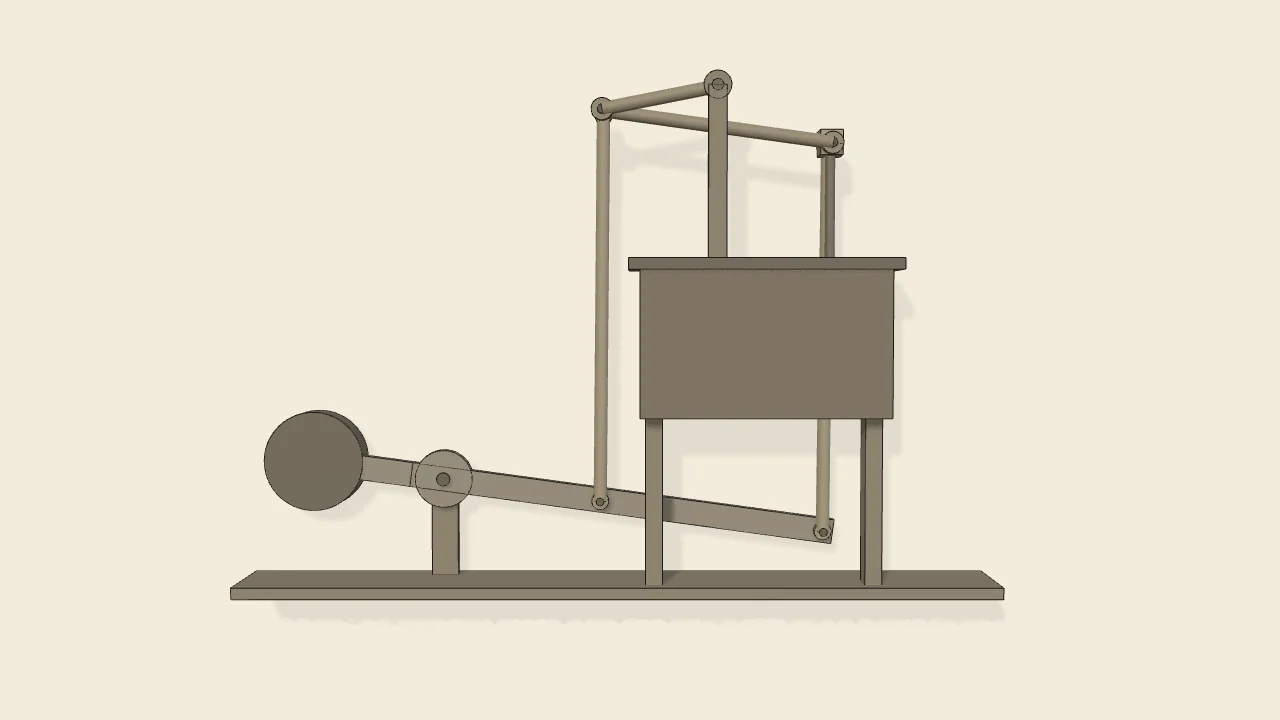 336. Side-lever marine parallel motion with rock-shaft
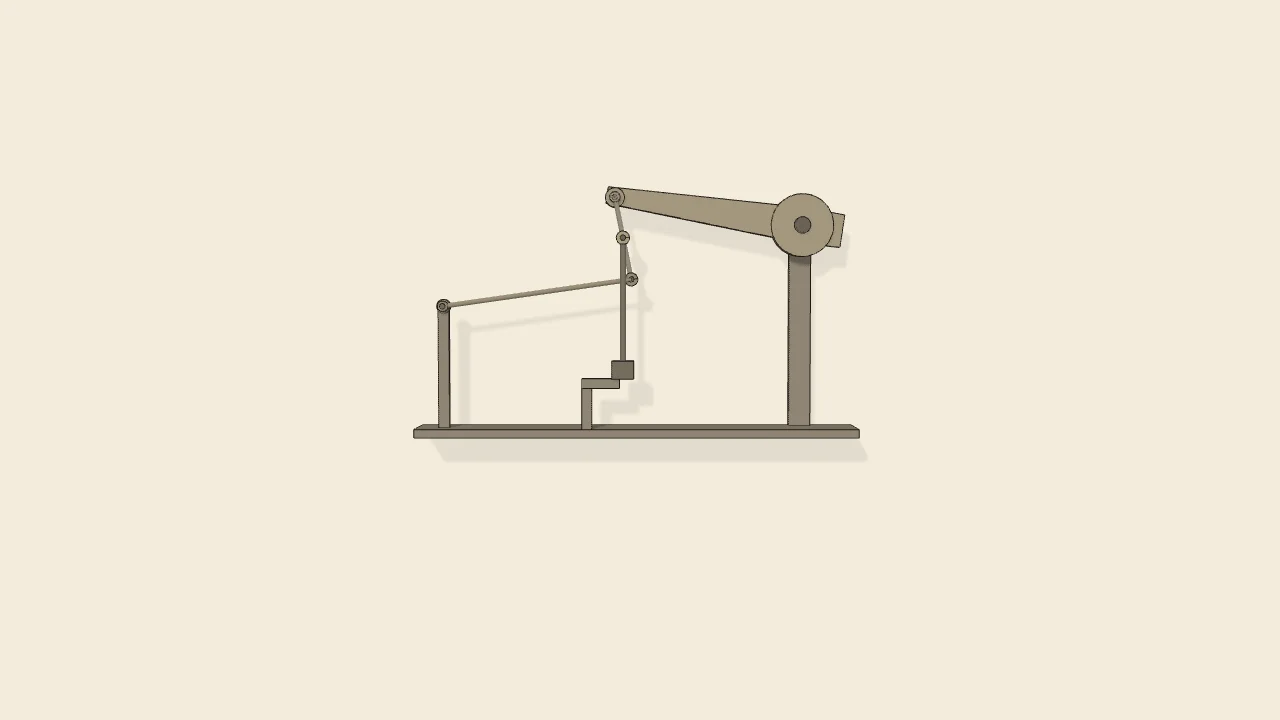 337. Parallel motion with short vibrating rod
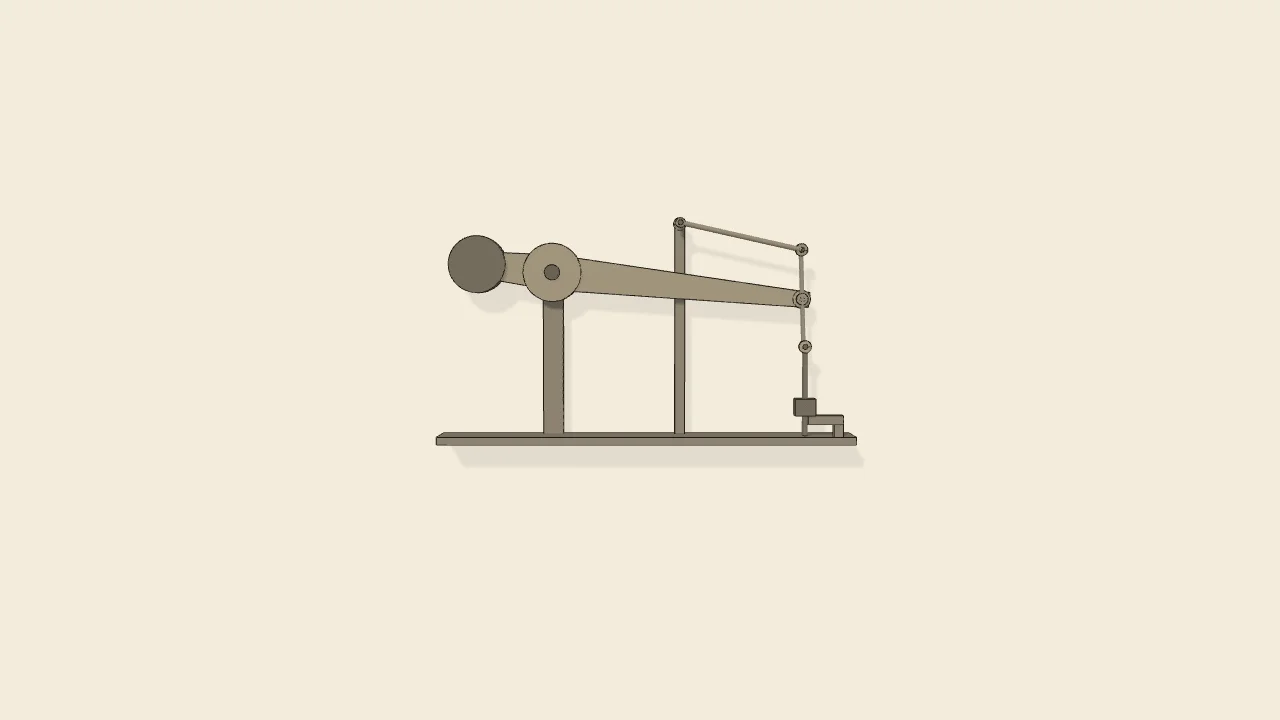 338. Parallel motion with radius bar above the beam
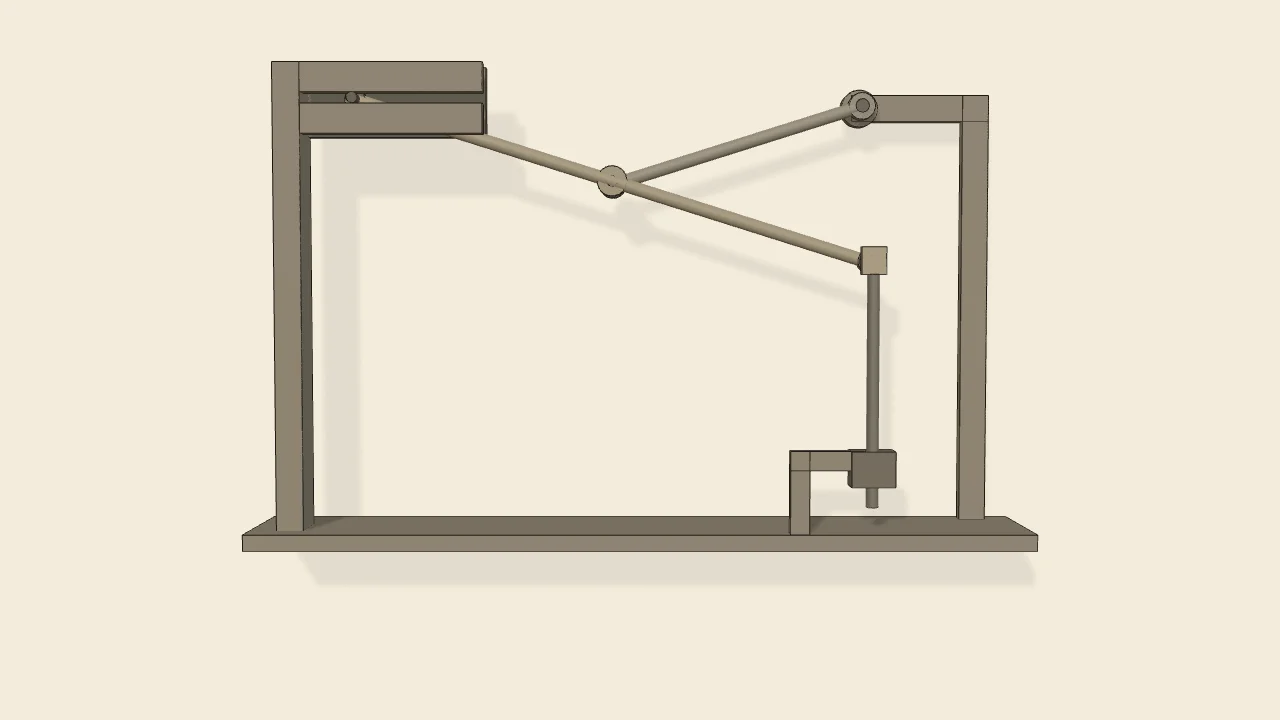 339. Parallel motion for direct-action engines
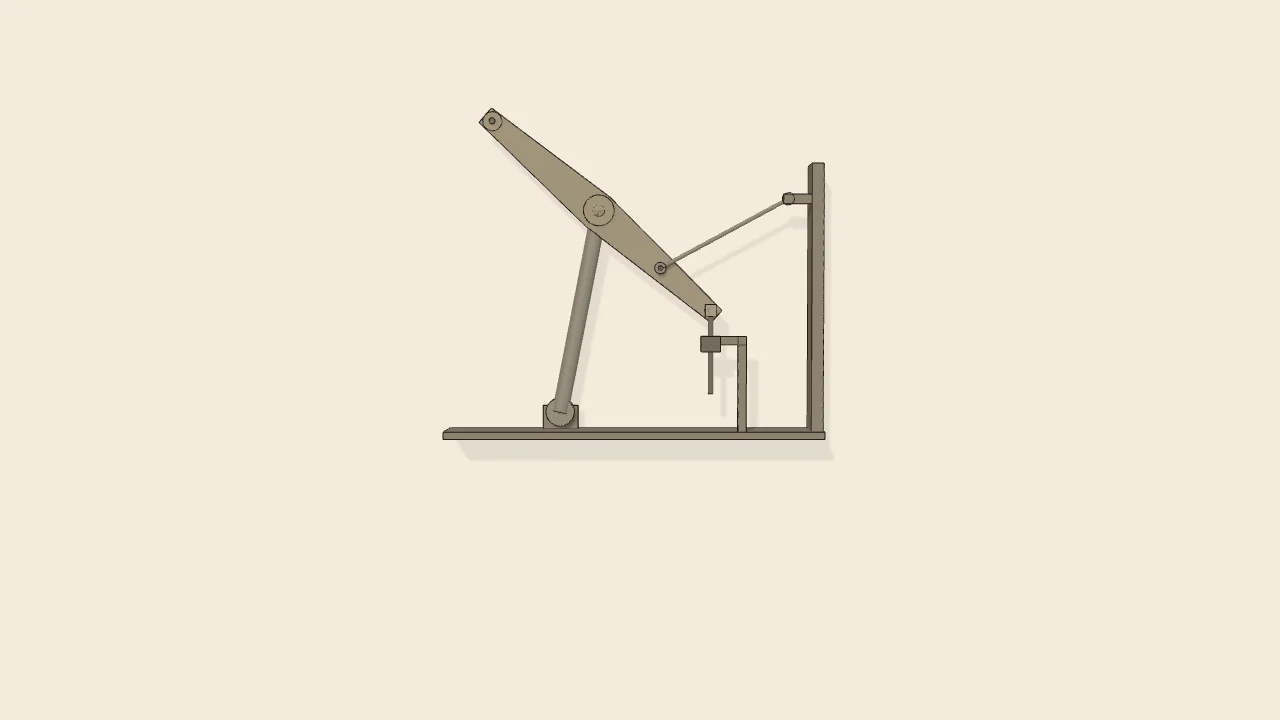 340. Parallel motion with rocking pillar
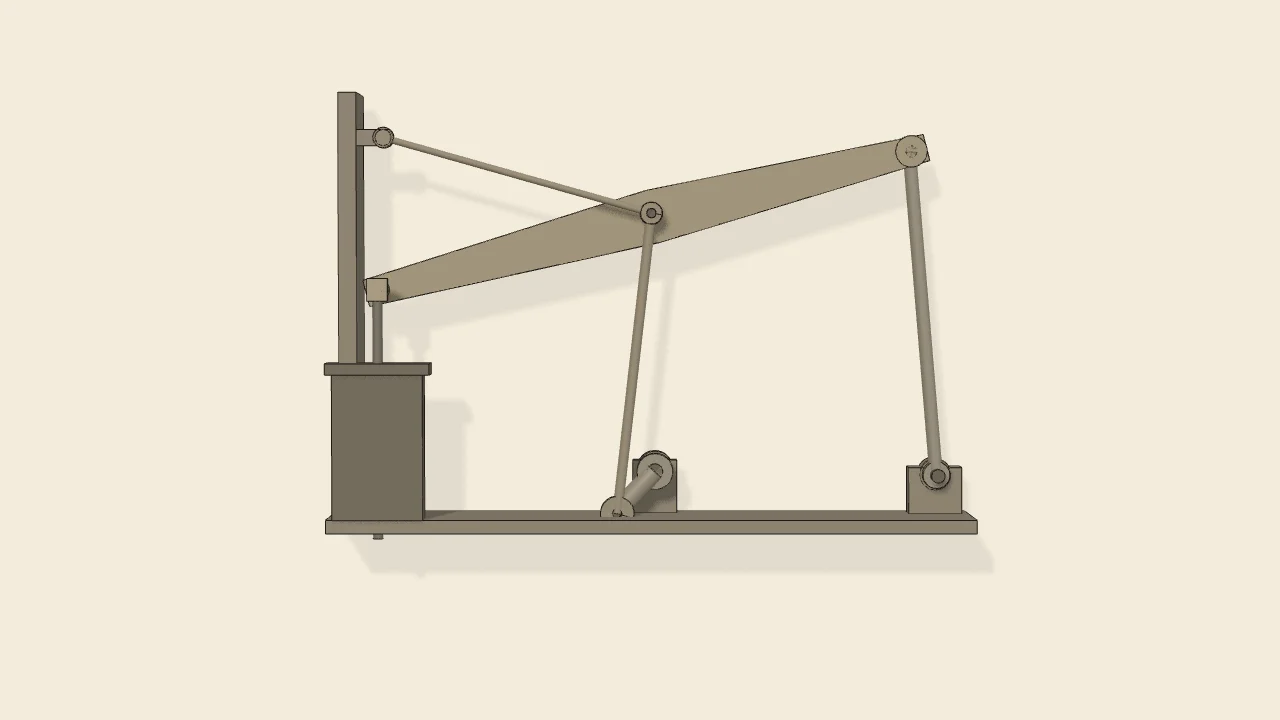 341. Grasshopper beam engine
 343. Parallel motion for an upright engine
Notes on membership
- No. 338: Listed in Brown's index under Motions, parallel.