Cams, wipers and tappets
Heart cams, grooved cams, swash plates, wipers and trip hammers from Brown's 1868 book, each a physics simulation with real cam-to-follower contact.
A cam is a shaped wheel, disk or groove whose edge pushes a follower. It turns a steady rotation into whatever push, pause or stroke its shape describes. A wiper is a short cam that lifts something and lets it drop.
Brown's index lists cams at Nos. 95, 96, 97, 117, 130, 138, 149, 150, 165, 217, 272 and 276. It also lists a cam wheel (No. 136), wipers for ore stamps and hammers (Nos. 85 and 128), and tilt hammers (Nos. 72 and 353). This hub adds Nos. 64, 84, 88, 106, 107, 398 and 400, whose text names a cam as the driver.
Compare the heart-shaped cam, which gives a uniform traverse, with No. 276. Brown says No. 276's cam “is of equal diameter in every direction measured across its center”, so it stays touching rollers on both sides of the bar. Nos. 106 and 107 are grooved cams, and No. 400 is Wilson's four-motion sewing-machine feed.
In each model the cam is the only driven part. The follower moves only by contact with the cam's surface or groove. Depending on the entry, it is held against the cam by gravity, a spring, a second roller or the groove's walls; see each page.
The 24 working models
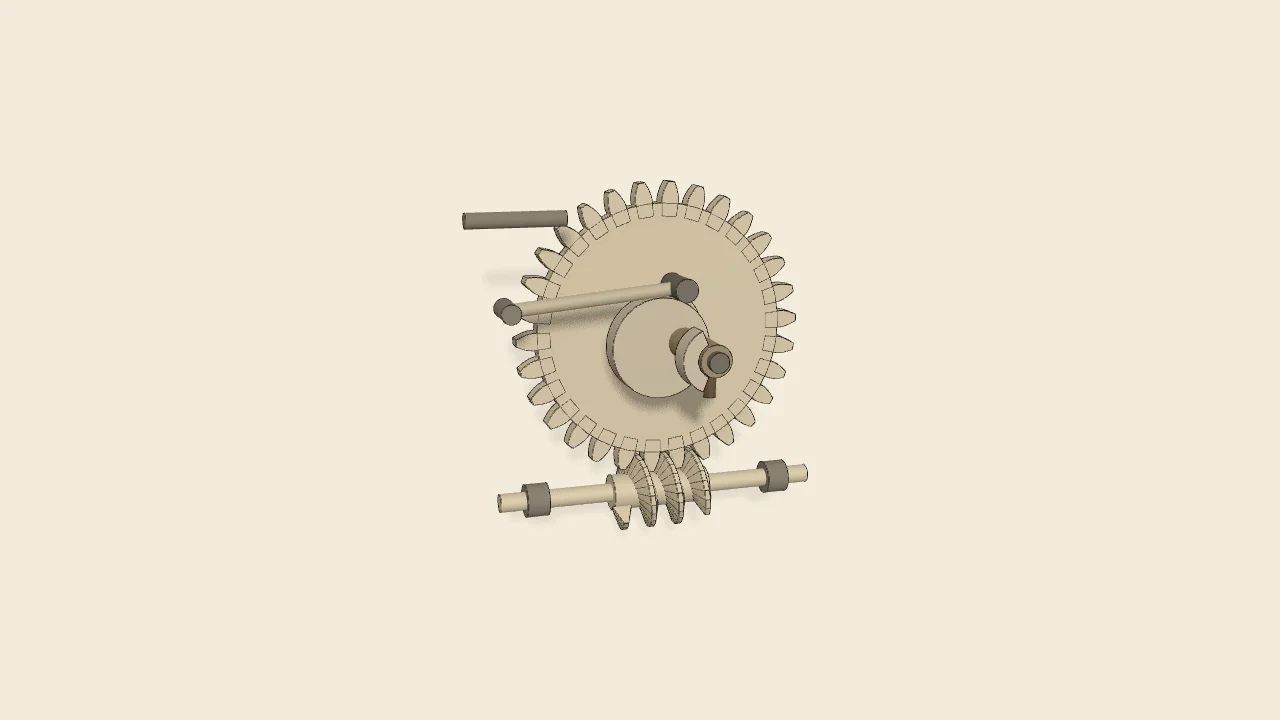 64. Jumping motion with worm and cam
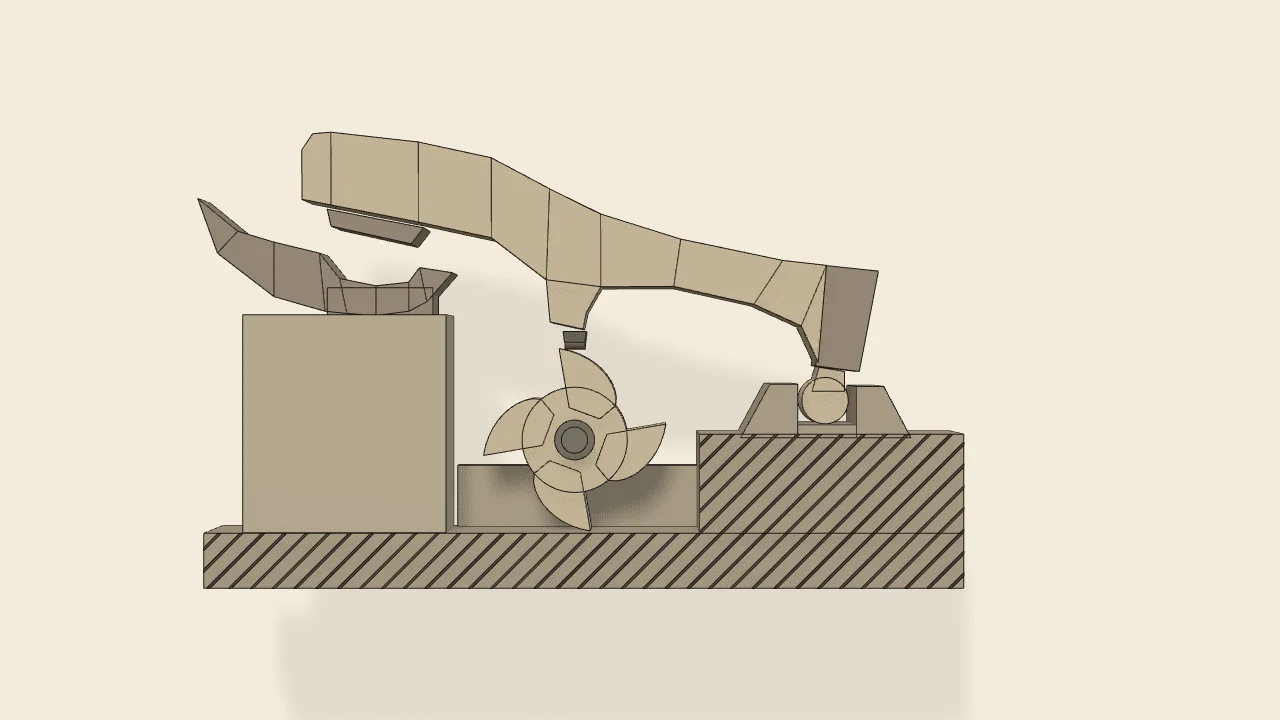 72. Tilt hammer
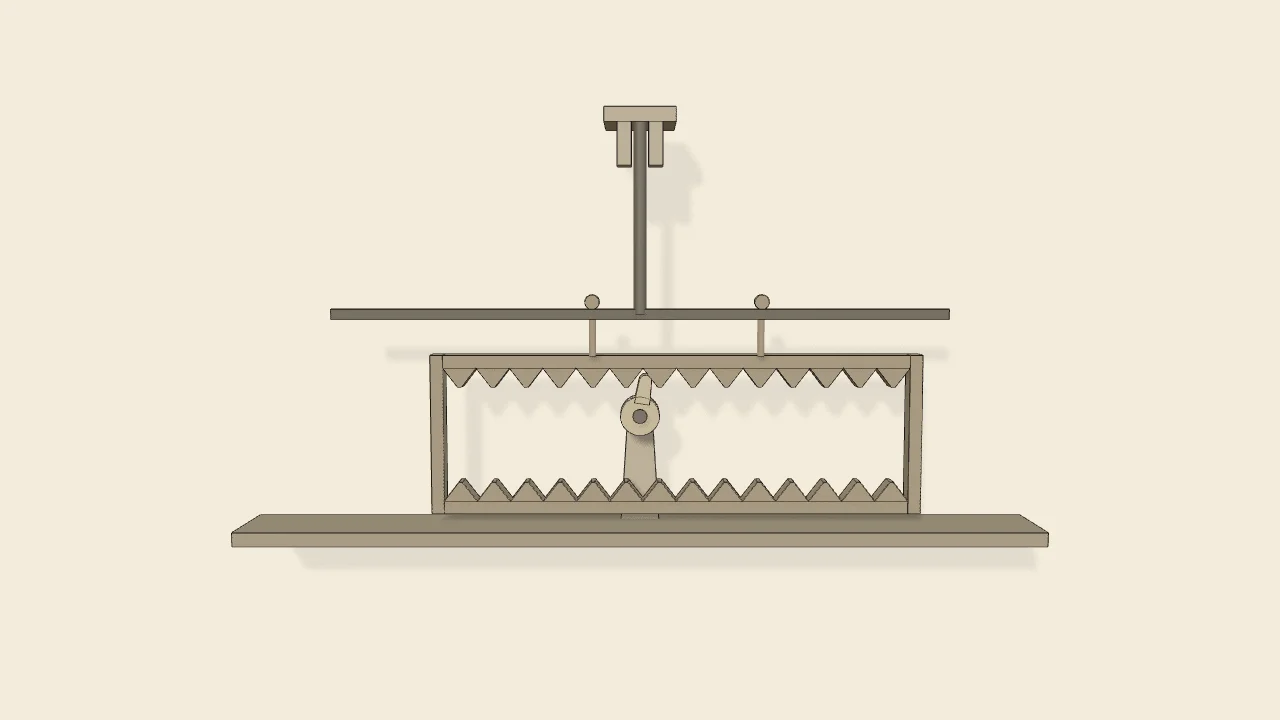 84. Cam-driven double rack
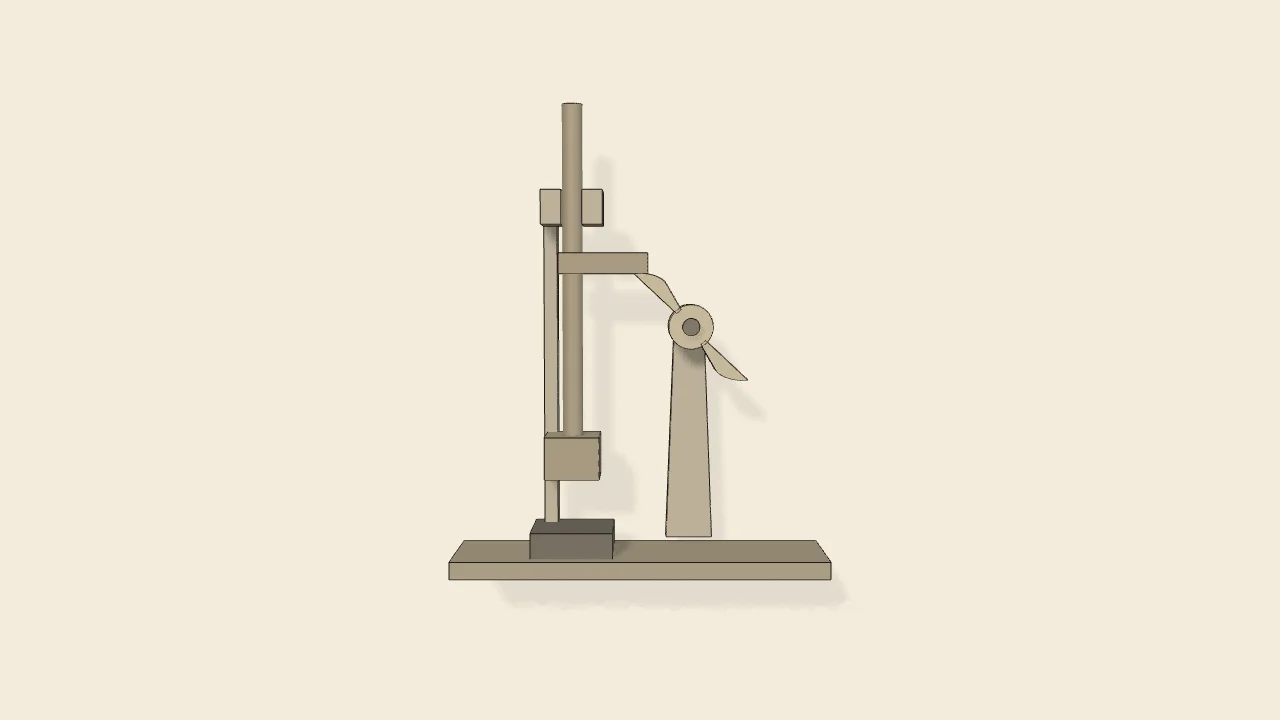 85. Ore stamp (wiper cams)
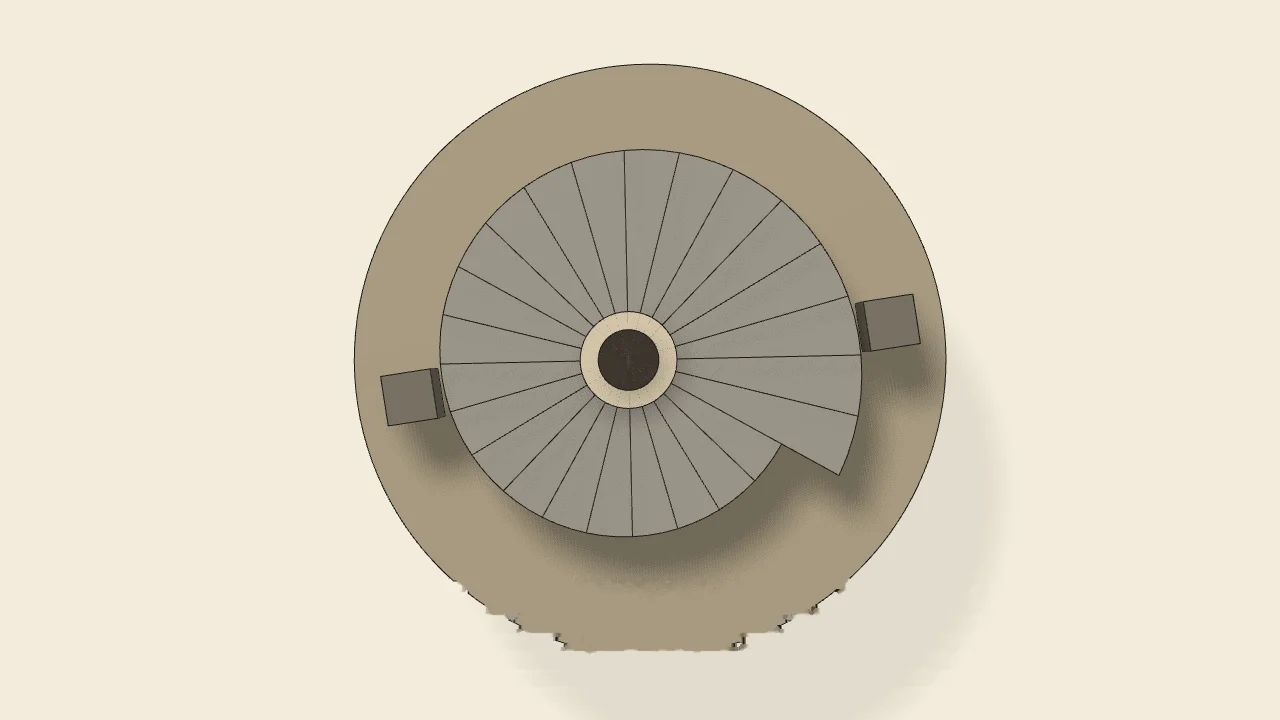 88. Cam and stop wheel (intermittent rotation)
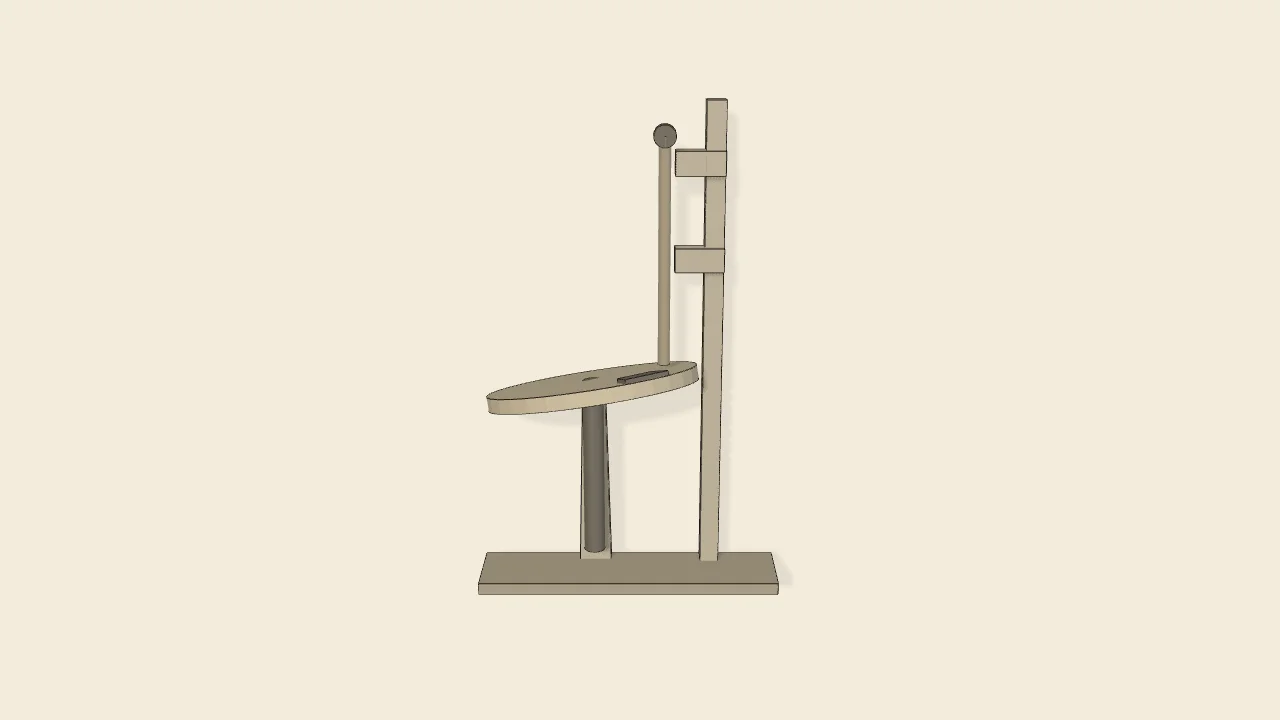 95. Oblique disk (swash plate)
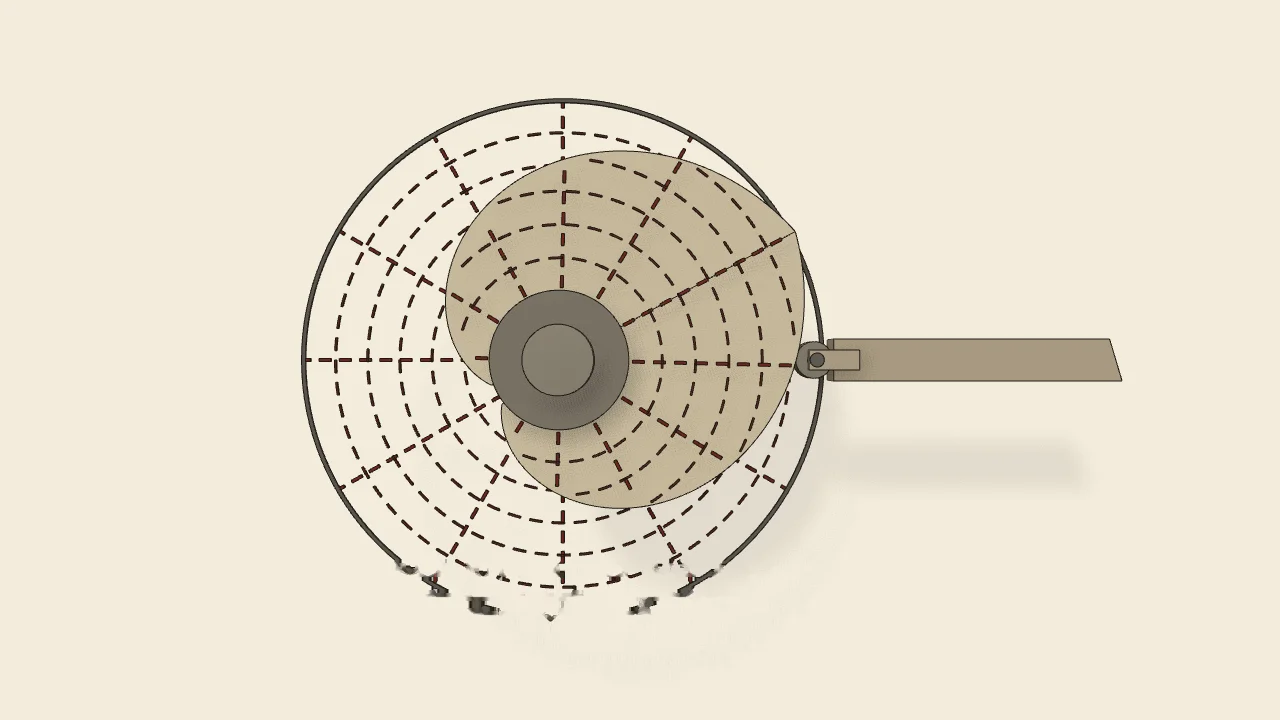 96. Heart cam
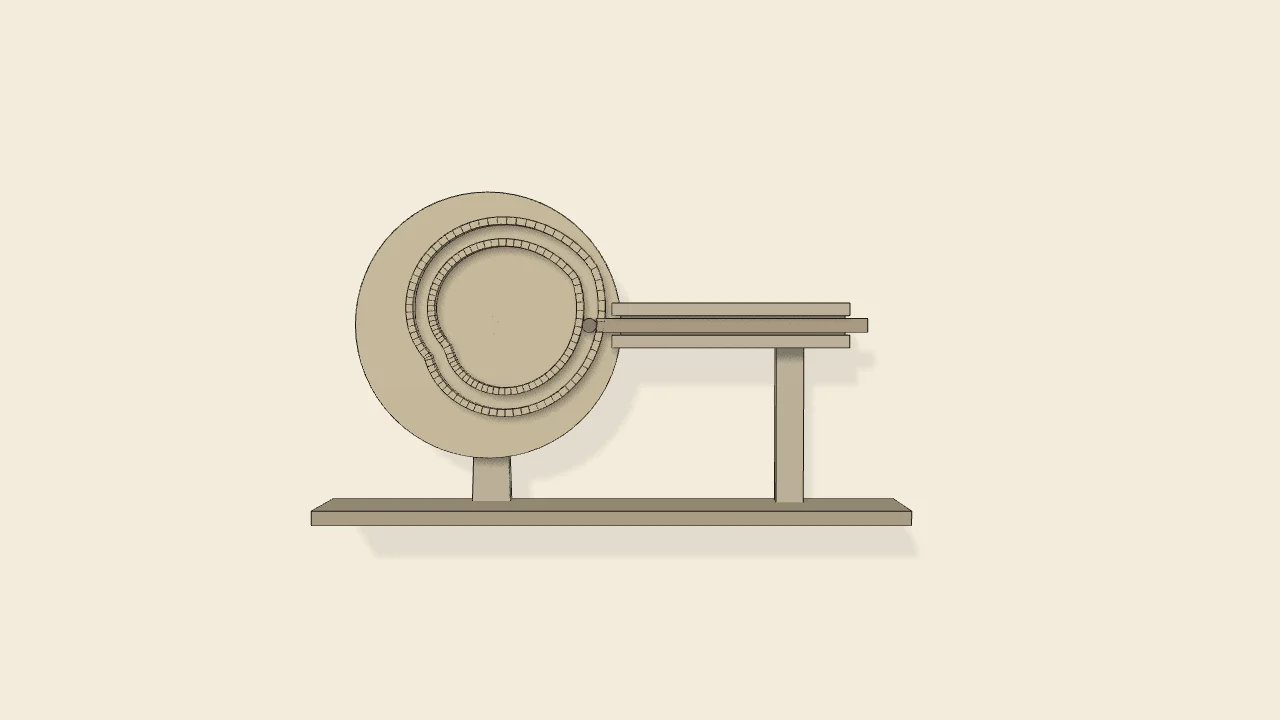 97. Grooved heart cam
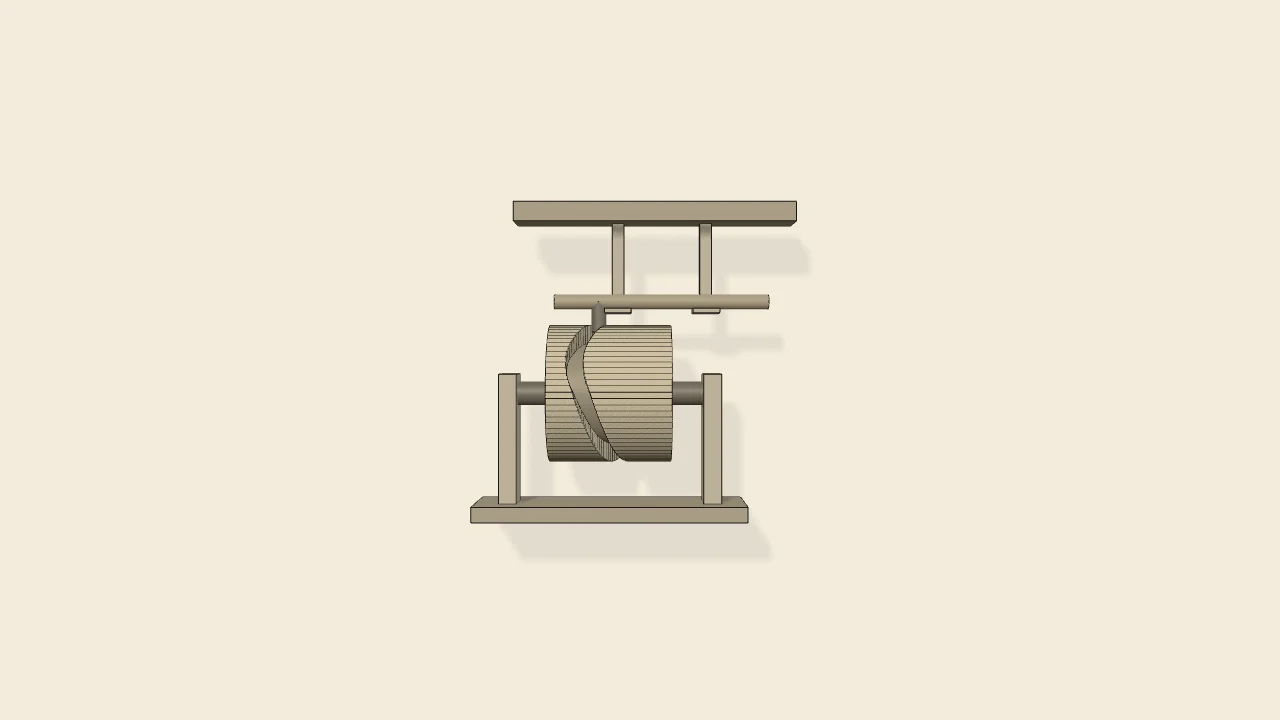 106. Grooved cam
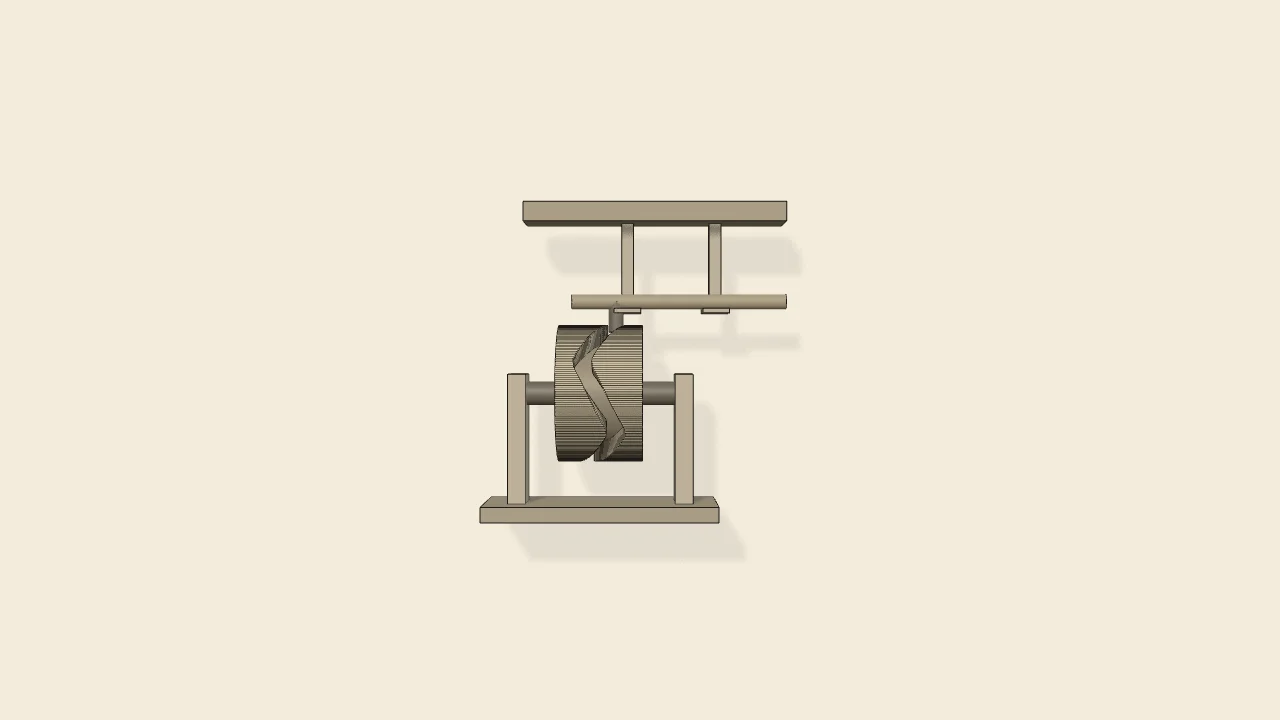 107. Grooved cam with a wavy groove
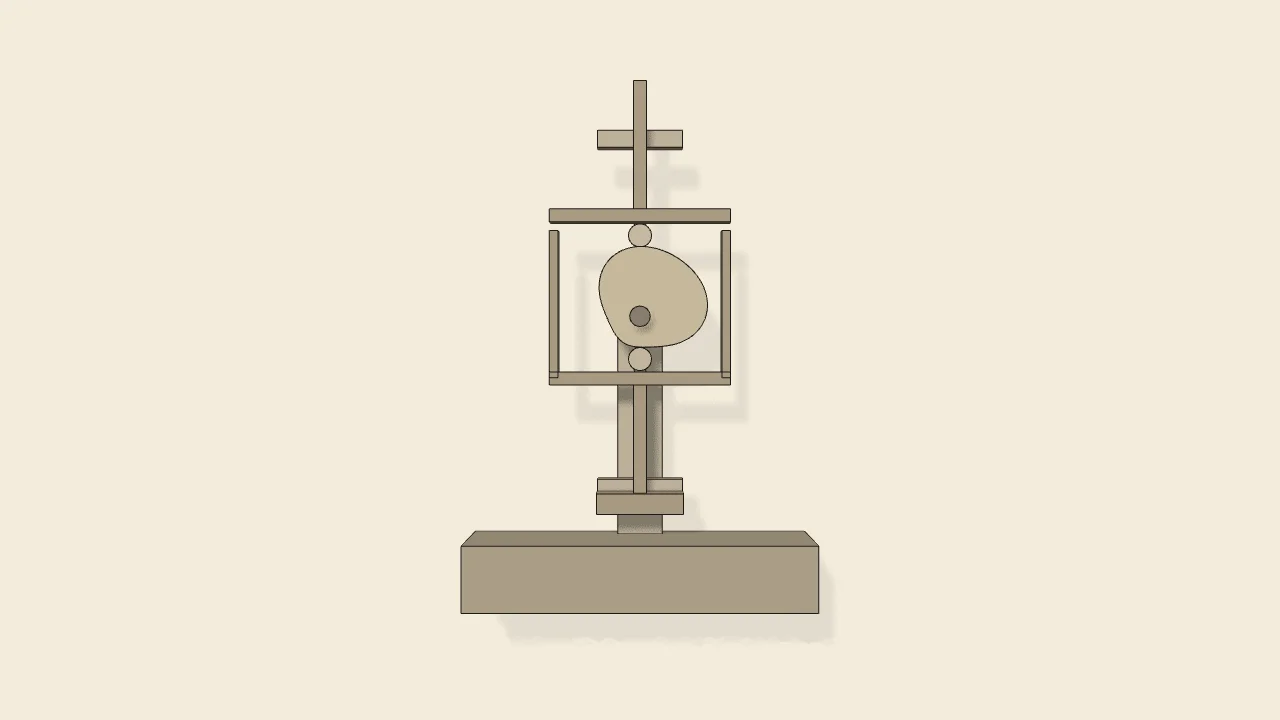 117. Cam between yoke rollers
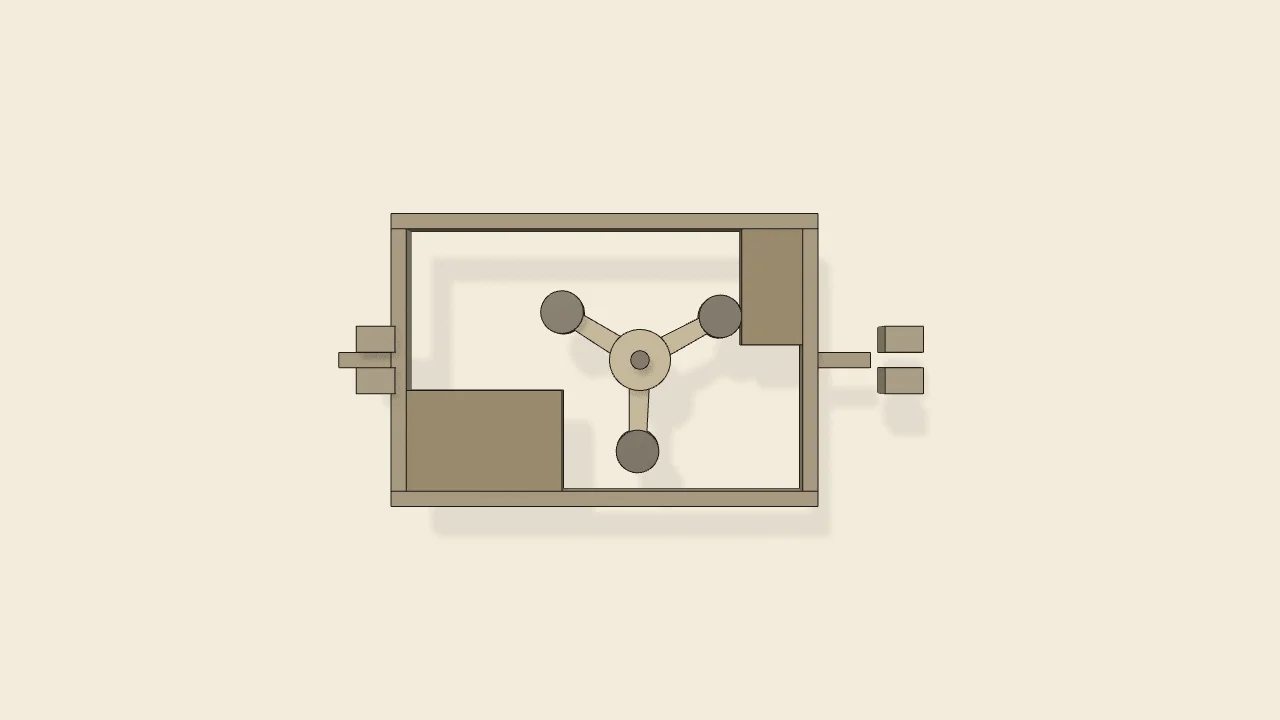 128. Wiper shaft and frame
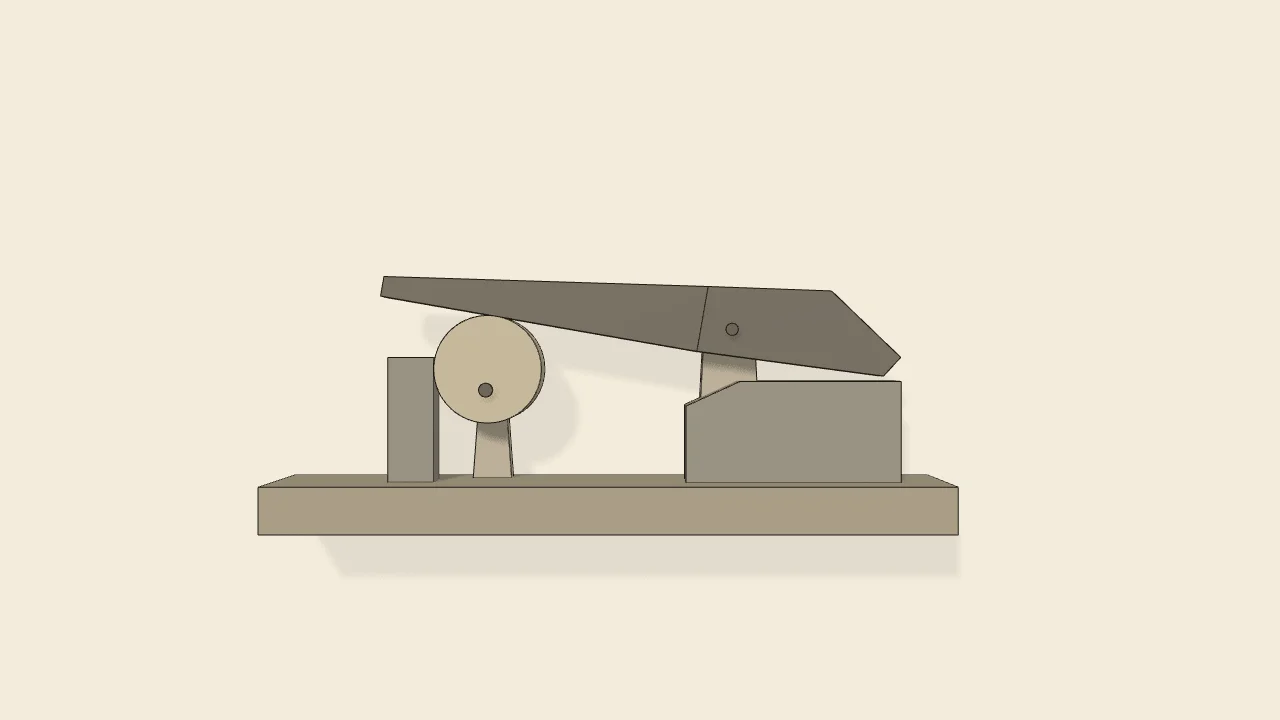 130. Cam-closed plate shears
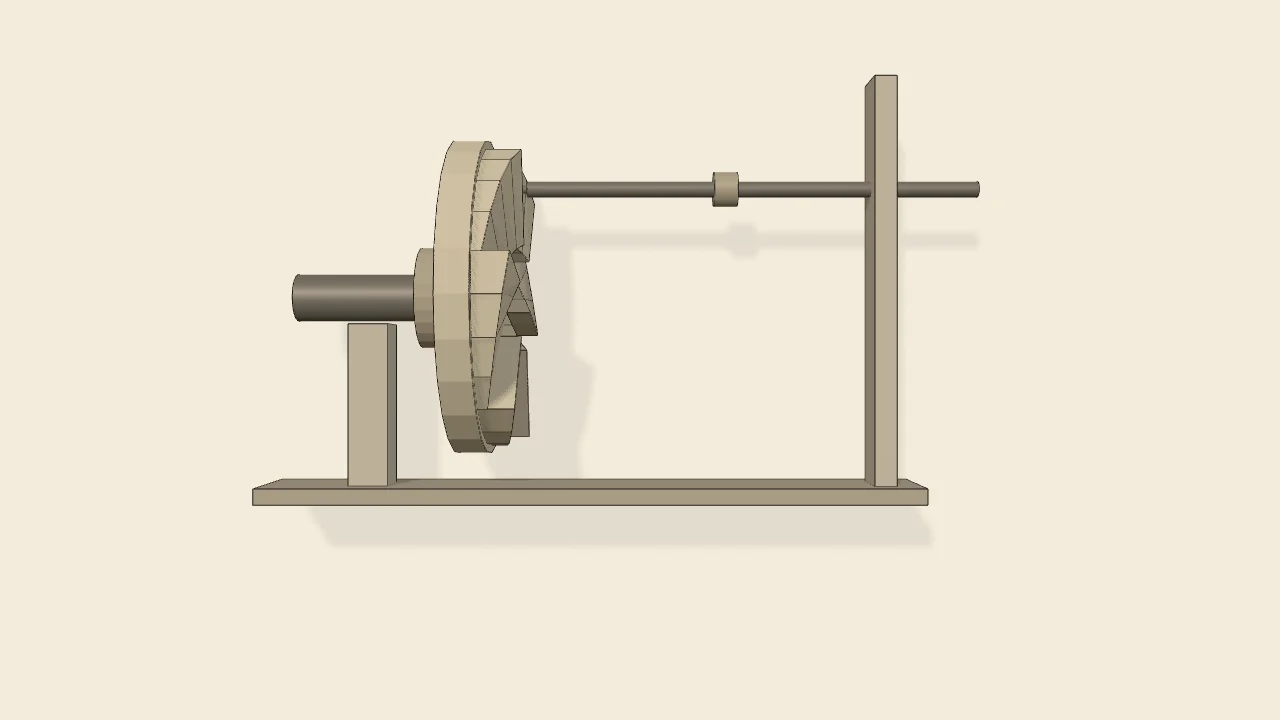 136. Toothed cam wheel
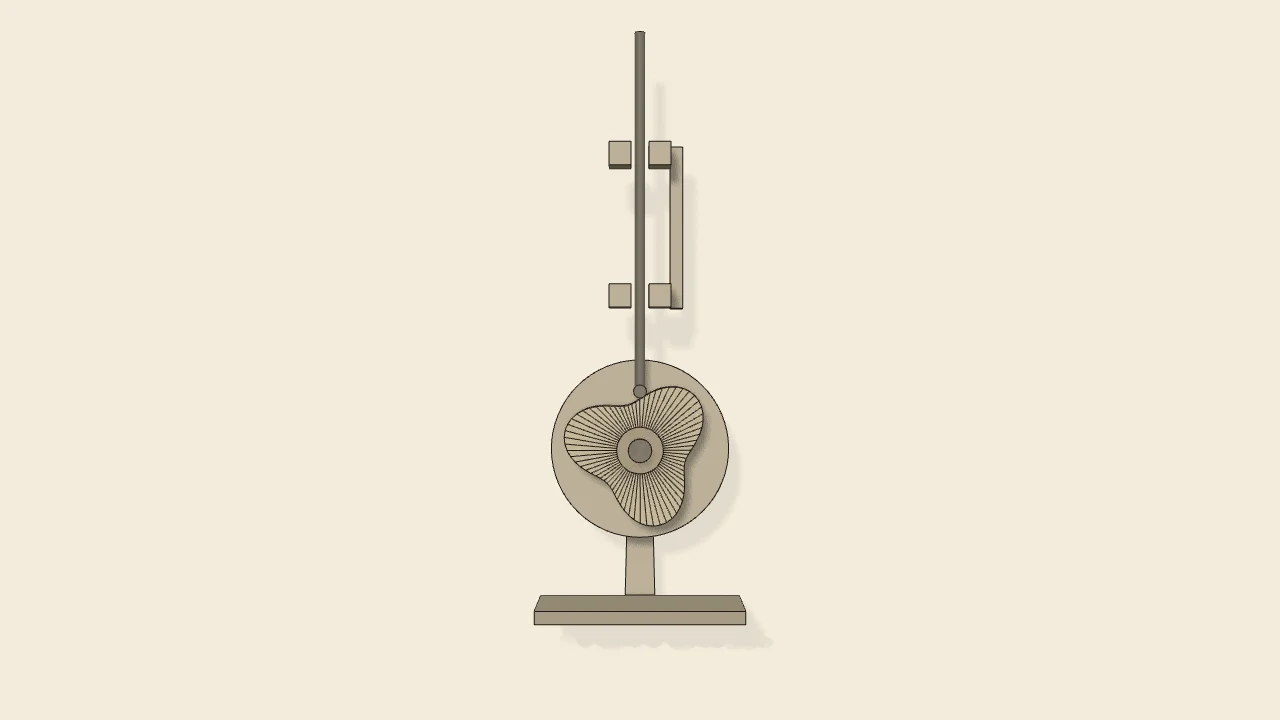 138. Three-lobed cam and rod
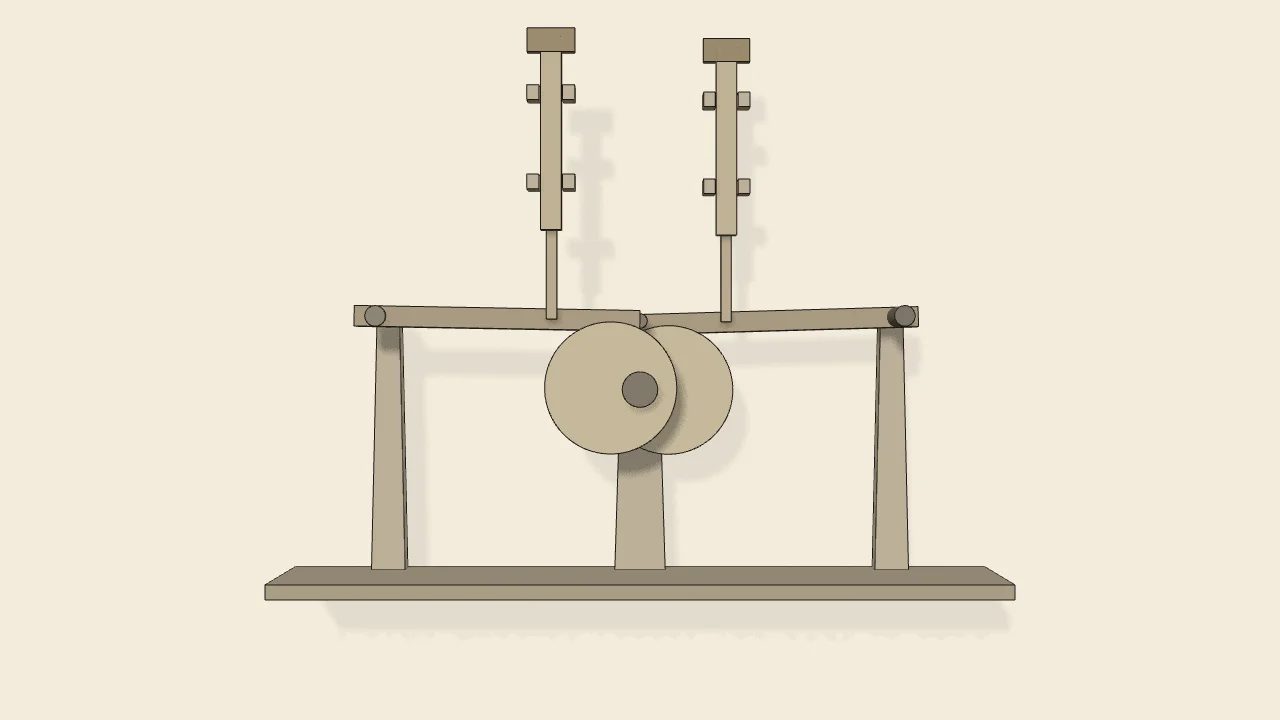 149. Twin cams and levers
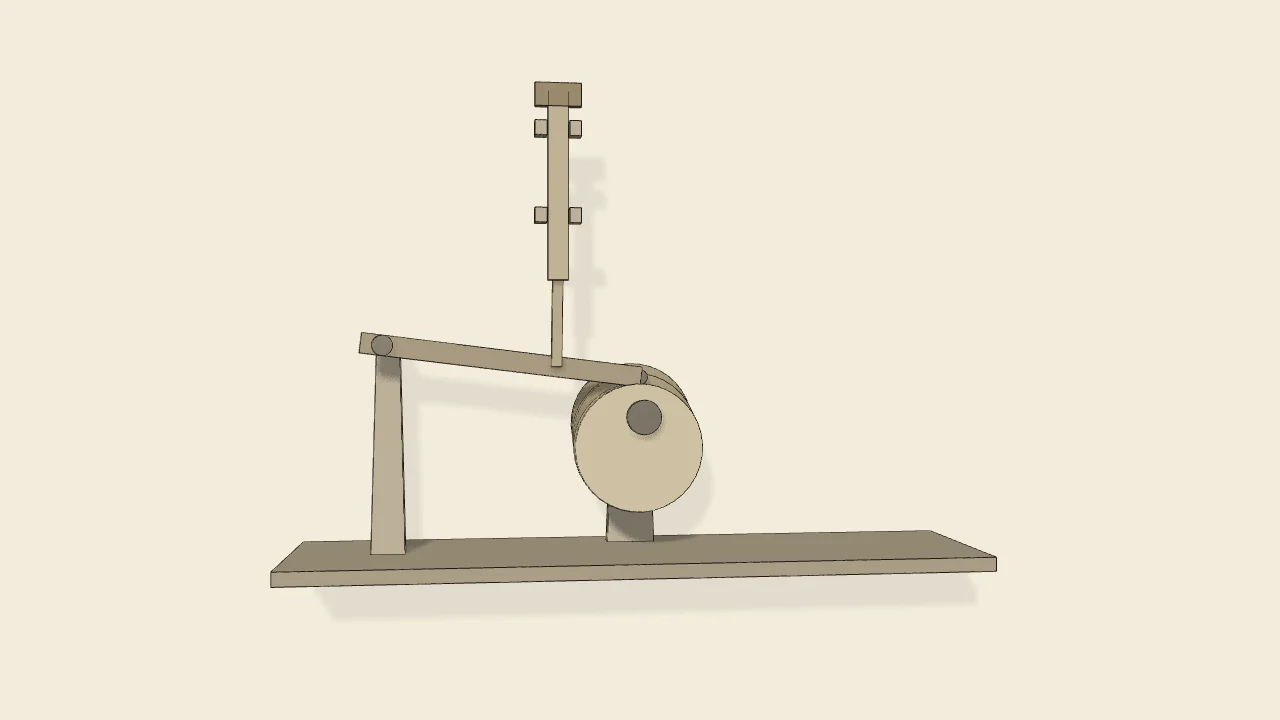 150. Sliding cams for expansive valve motion
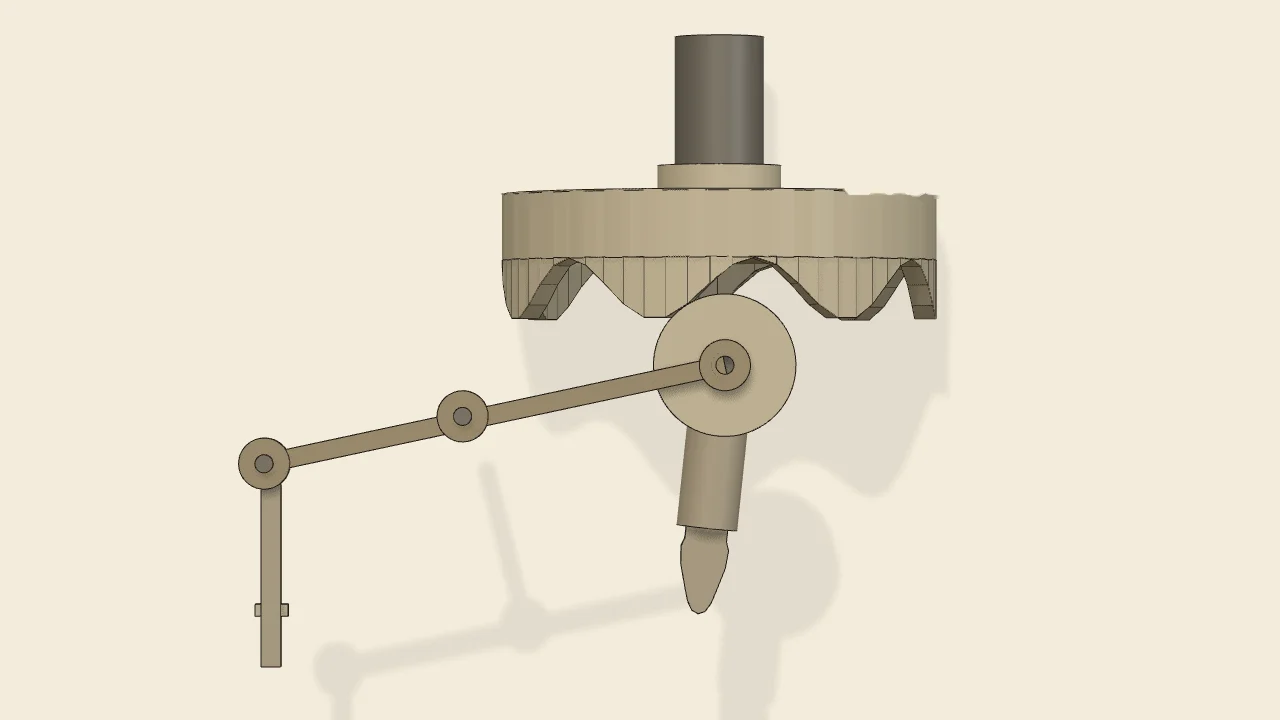 165. Waved wheel (cam) and rod
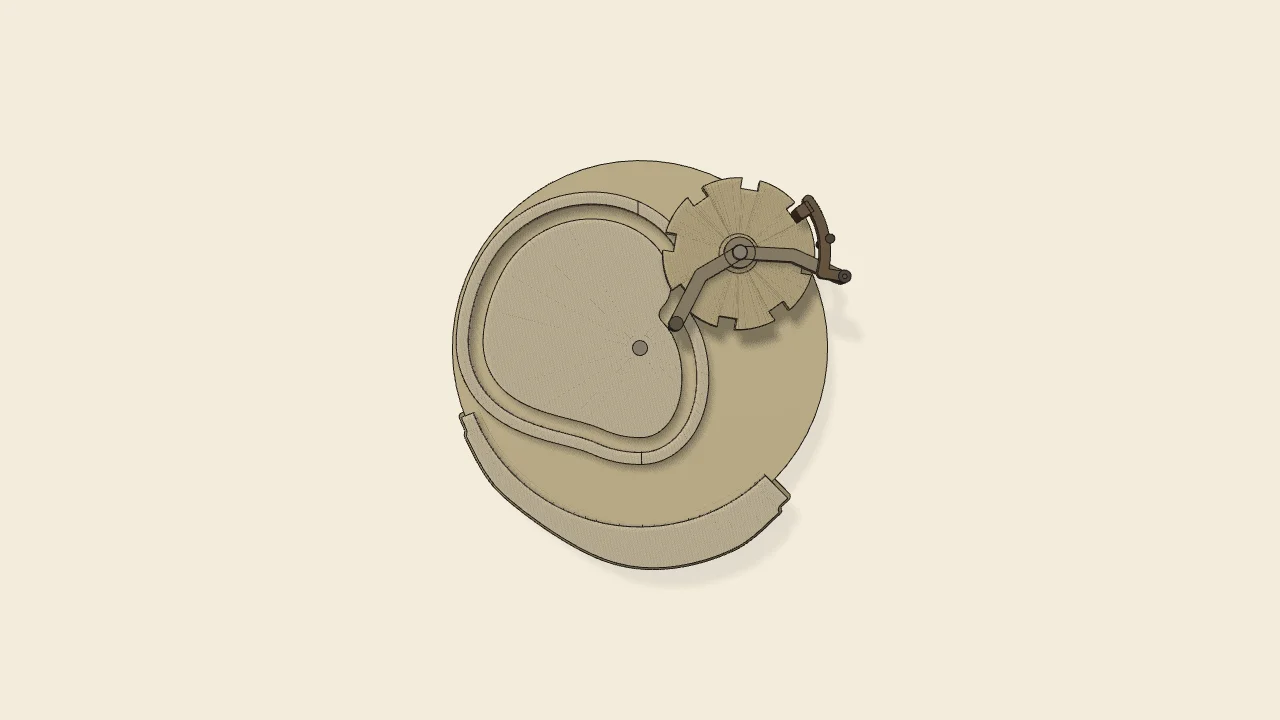 217. Wool-combing roller motion: heart-cam
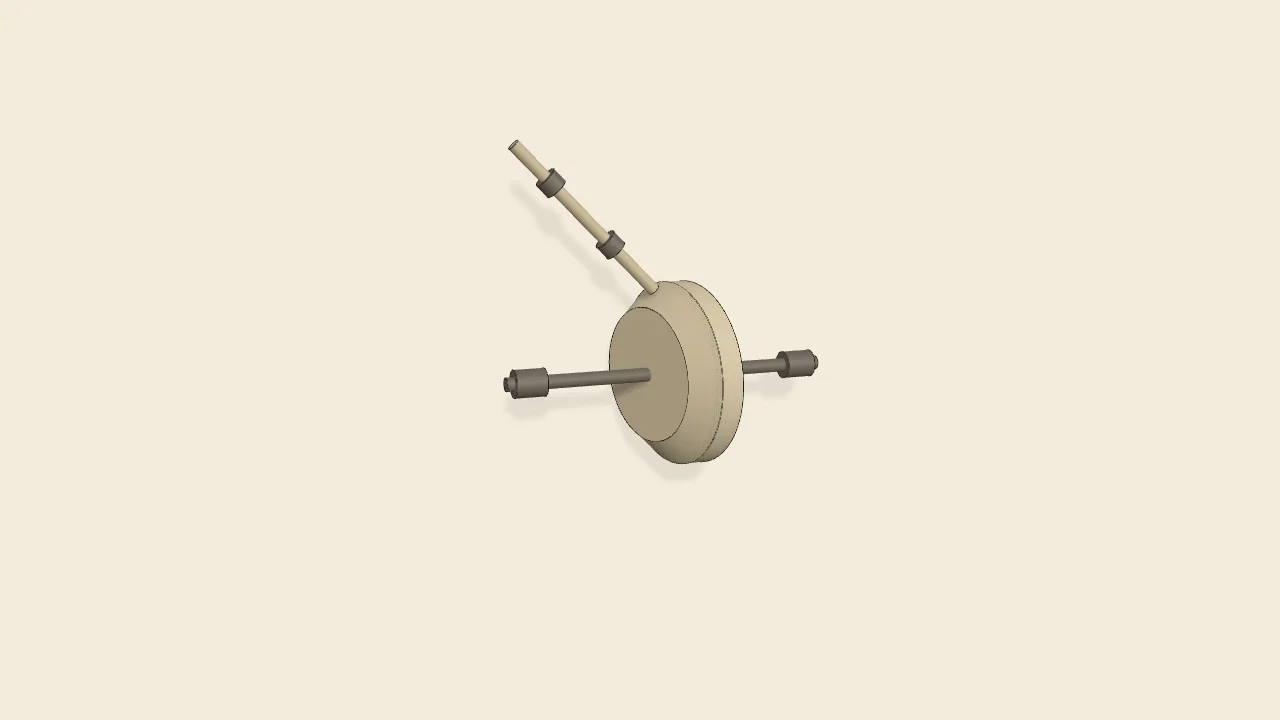 272. Bevelled disk cam (swash plate)
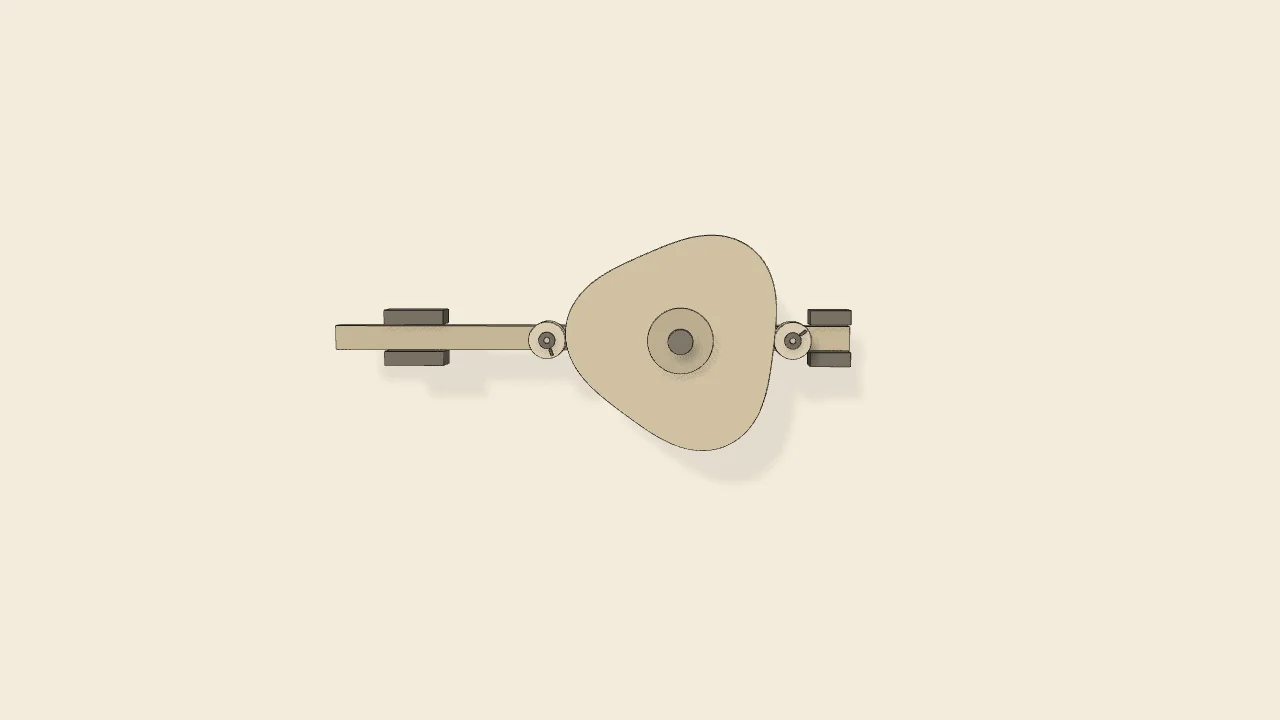 276. Constant-diameter cam
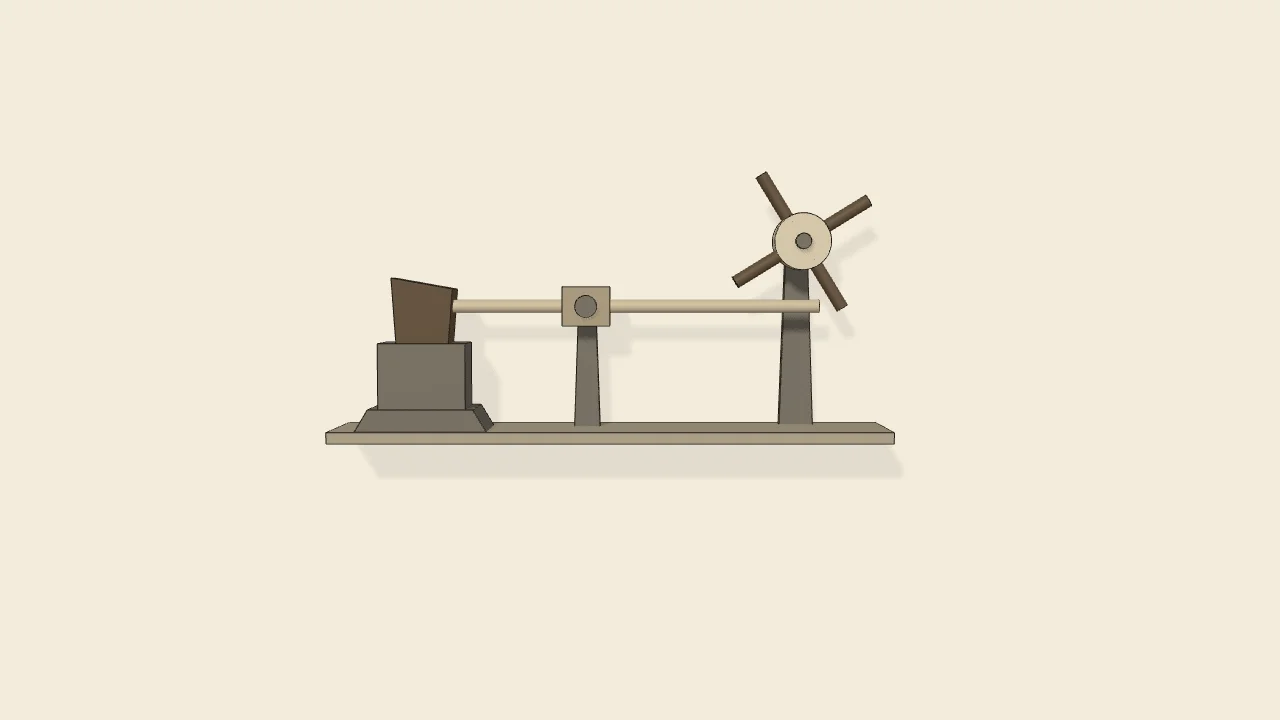 353. First-order tilt hammer
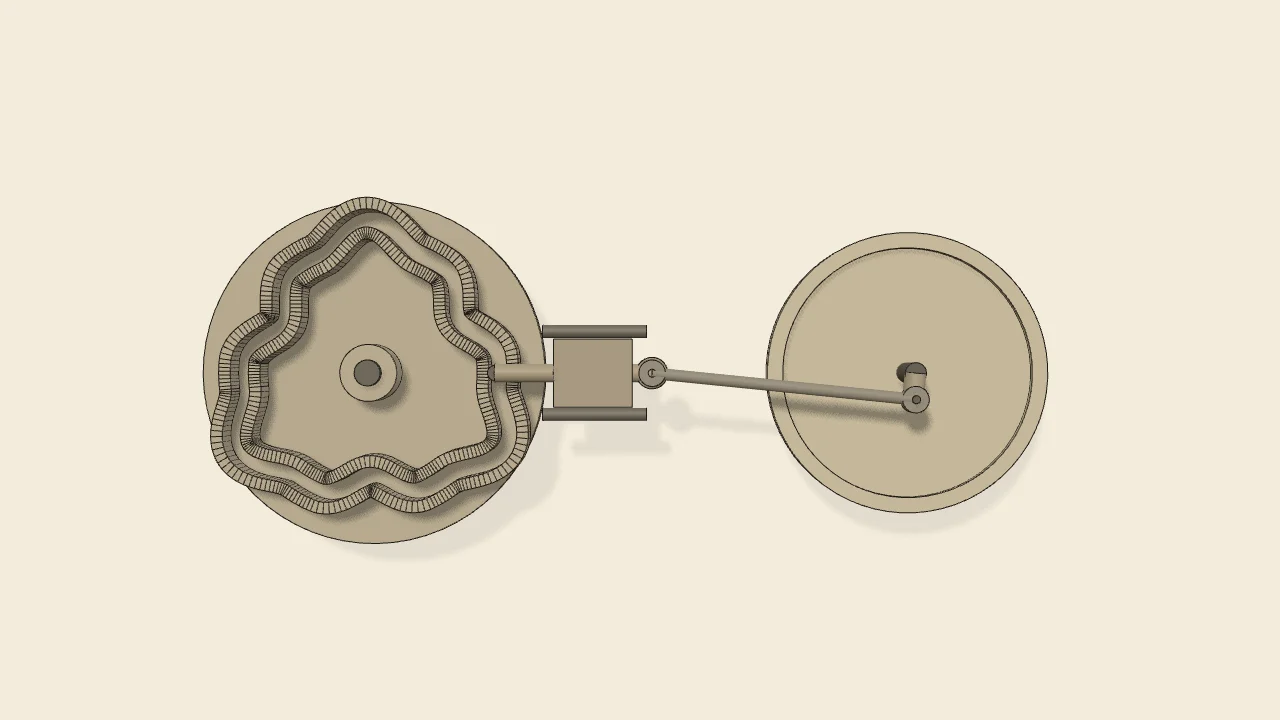 398. Cam-driven intermittent rotation
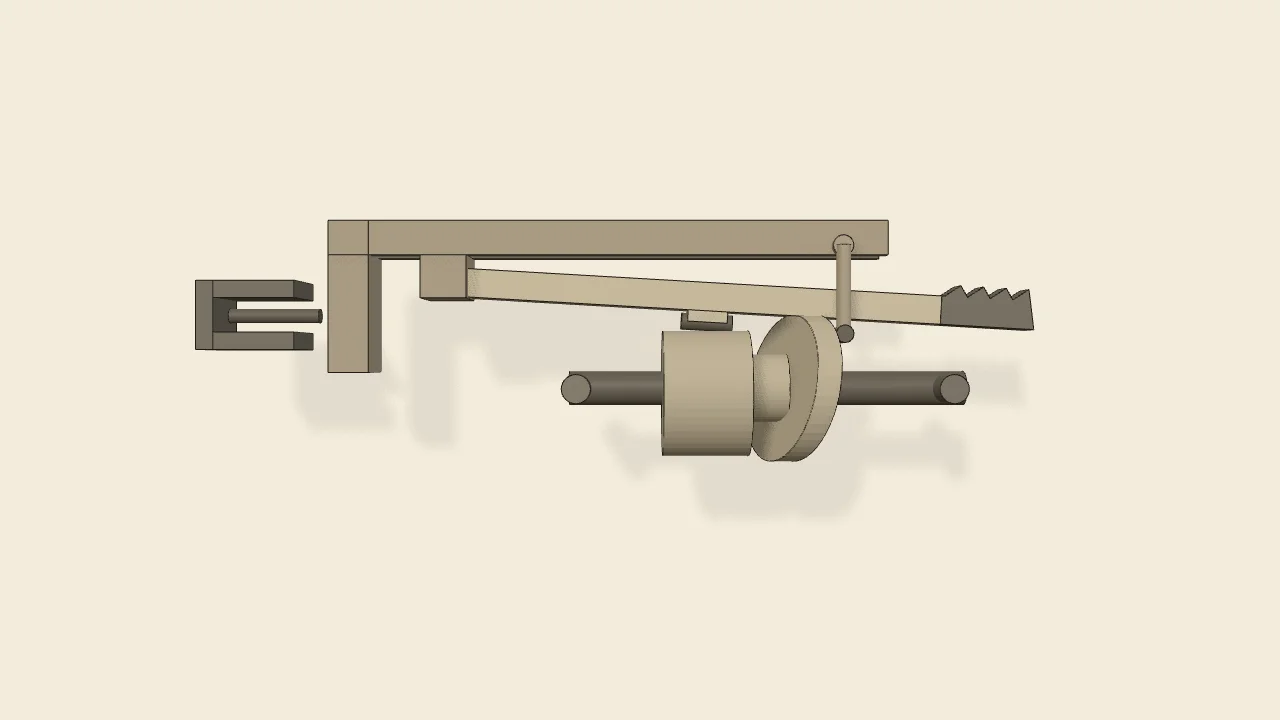 400. Wilson's four-motion feed
Notes on membership
- No. 64: Brown's text names this mechanism as the working part, but his index files it under another heading.
- No. 84: Brown's text names this mechanism as the working part, but his index files it under another heading.
- No. 88: Brown's text names this mechanism as the working part, but his index files it under another heading.
- No. 95: Listed in Brown's index under Cams.
- No. 106: Brown's text names this mechanism as the working part, but his index files it under another heading.
- No. 107: Brown's text names this mechanism as the working part, but his index files it under another heading.
- No. 398: Brown's text names this mechanism as the working part, but his index files it under another heading.
- No. 400: Brown's text names this mechanism as the working part, but his index files it under another heading.